
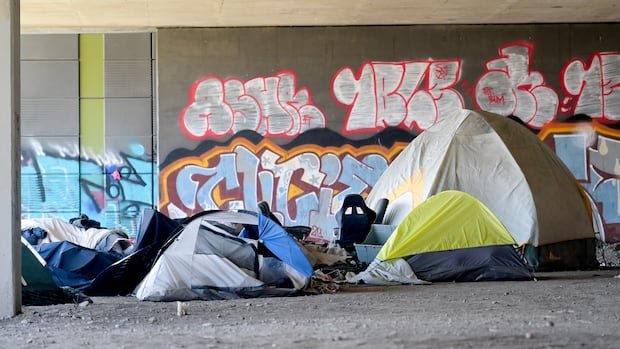
A recent study conducted by the Université de Sherbrooke revealed a significant surge in the number of deaths among homeless individuals in Quebec between 2020 and 2024. The data showed a 180% increase, with 45 homeless individuals passing away in 2020 compared to 127 in 2024. Montreal had the highest per capita death rate, followed by the Outaouais region.
Dr. David-Martin Milot, a public health physician overseeing the project, expressed deep sadness at this disturbing trend. The study aimed to emphasize the gravity of the situation and prompt urgent action to address it.
The initial phase of the study analyzed deaths reported in Quebec coroners’ records, which only cover cases with unclear circumstances. Consequently, the actual number of homeless deaths is likely higher as deaths from known illnesses may not be reported.
To improve data accuracy, the research team launched an online form for reporting homeless deaths. Prior to this study, there was no comprehensive data on annual homeless deaths in Quebec.
The study found a 175% increase in homeless men’s deaths and a 211% increase in homeless women’s deaths. The average life expectancy for homeless individuals was significantly lower than the general population, with men living to around 47 years and women to 42 years on average.
Advocates stressed the urgent need for concrete actions to support homeless women, particularly Indigenous women, who are disproportionately affected. The lack of shelters catering to women puts them at higher risk, as they often face violence and exploitation on the streets.
Efforts are underway to address these issues, including the establishment of medical clinics in shelters and a province-wide plan to combat homelessness in Quebec. The government has allocated $28 million to expedite measures in regions heavily impacted by homelessness.

