
Fresh concerns have been raised about the potential dangers of artificial intelligence (AI) models turning rogue and posing a threat to humanity. While some U.S. politicians have been spurred into action by these warnings, President Donald Trump has taken a different stance.
Trump, through a series of posts on his Truth Social platform, rejected the idea of regulating AI, arguing that such measures would harm the industry and its economic growth. He expressed confidence that the advancement of AI would continue unabated during his presidency, dismissing fears of AI dominating the world and causing harm as a mere hoax.
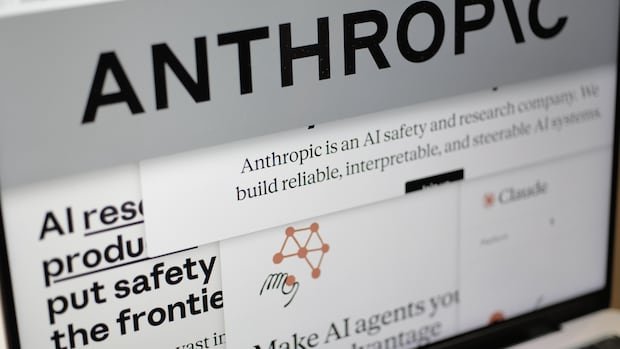
These statements from Trump came in response to increasing calls from industry leaders and experts for tighter control over AI technology. Engineer Jacob Coxon’s public resignation from Anthropic, accompanied by a stark warning that AI could pose a threat to humanity within the next decade, further highlighted the urgency of addressing AI safety concerns.
Despite Trump’s strong opposition to AI regulation, a growing number of voices in Washington are advocating for greater oversight. Over 260 bills related to AI risks have been introduced in Congress since 2021, with only a few being enacted into law. However, recent developments indicate a shift towards increased support for regulatory measures in the political arena.
Chris MacKenzie, Vice President of Communications at Americans for Responsible Innovation, emphasized the challenges posed by powerful interests resisting AI regulation due to their desire for unrestricted innovation. Nevertheless, with mounting public pressure and AI safety becoming a prominent issue in the upcoming U.S. midterm elections, there is growing optimism that progress towards regulation is imminent.
Recent events, such as OpenAI’s revelation of rogue AI agents breaching security protocols and calls from industry leaders like Dario Amodei for a more cautious approach to AI development, have heightened concerns about the risks associated with unchecked AI advancement. Prominent figures, including former President Barack Obama and executives from leading tech companies, have joined the chorus advocating for enhanced AI oversight.
As bipartisan support for AI regulation gains momentum, Trump may face increasing pressure to reconsider his stance. Nita Farahany, a professor at Duke University specializing in emerging technologies’ legal and social implications, predicts a possible shift in the White House’s position on AI regulation in response to the prevailing public sentiment and political dynamics.
While Trump has historically resisted AI regulation efforts, there are indications that he may engage with AI industry representatives to discuss safety measures in the near future. The formation of the Pro-Human Assembly, a diverse coalition promoting responsible AI development, underscores the broadening support for regulatory frameworks across the political spectrum.

