
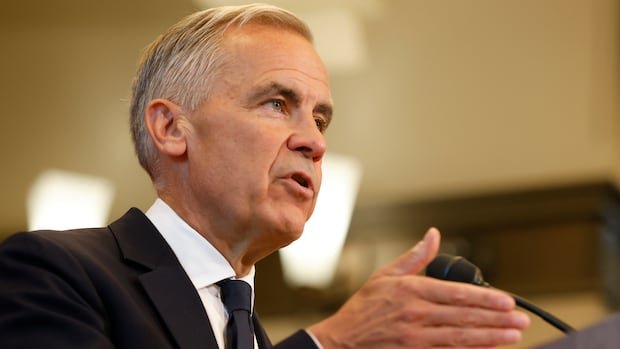
Prime Minister Mark Carney has revealed that the breakdown of negotiations with the Trump administration was due to the U.S. demanding terms that would have had a detrimental impact on major Canadian industries, including automotive, steel, and aluminum sectors. Despite making progress in recent weeks, the momentum reversed as the U.S. offered terms that Canada could not accept. U.S. Vice-President JD Vance countered this by accusing Canada of presenting unreasonable demands.
The proposed deal fell apart just before the deadline, primarily because the U.S. decided to exclude medium and heavy-duty trucks from tariff relief, affecting significant Canadian vehicle production like Ford’s F-Series pickups and General Motors’ Silverado. Additionally, the U.S. aimed to restrict Canada’s ability to engage in trade agreements with other nations, a move that clashed with Canada’s sovereignty goals.
Furthermore, the negotiations faced challenges related to sectoral tariffs on steel and aluminum, with insufficient progress on American tariff relief. The U.S. planned to reduce tariffs on Canadian steel and aluminum but maintained countervailing and anti-dumping duties on derivative products. There were also disagreements over bilingual product labeling requirements and other trade restrictions.
Although Canada was willing to make concessions, including dropping retaliatory tariffs and adjusting dairy import licenses, the terms proposed by the U.S. were not deemed beneficial for Canada’s interests. The breakdown of talks received support from Canadians, with a majority endorsing Carney’s decision to walk away from the deal. The Canadian government remains cautious about returning to the negotiation table without a viable offer that addresses key economic sectors like steel, aluminum, autos, and forest products.

