
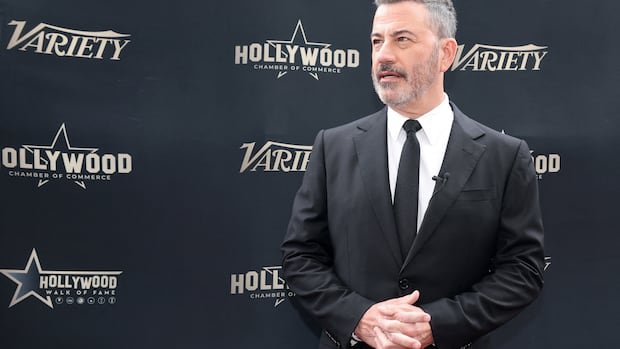
ABC’s late-night talk show host, Jimmy Kimmel, revealed that his interview with Democratic Senate candidate James Talarico will be broadcast on YouTube instead of on the network due to threats from the Federal Communications Commission (FCC). The FCC, led by Republicans, declared in January that daytime and late-night talk shows are no longer considered legitimate news programs exempt from equal time rules for opposing candidates.
Kimmel highlighted that talk shows have historically been able to interview political candidates freely without being bound by these regulations. Talarico is vying for a Senate seat in Texas against Republican Ken Paxton, with the outcome potentially impacting control of the U.S. Senate in the upcoming November elections.
Recalling his past interview with then-candidate Donald Trump in 2016, Kimmel criticized the FCC’s recent actions on his show. While ABC declined to provide a statement, FCC Chair Brendan Carr initiated early reviews of Disney-owned ABC stations in April, a move unseen in over half a century.
The FCC’s sole Democrat, Anna Gomez, expressed disapproval of the FCC’s tactics, characterizing them as part of an overarching campaign of censorship and control. She hopes that the courts will affirm that the FCC should not dictate editorial decisions or viewers’ content consumption.
Furthermore, the FCC is probing ABC’s daytime talk show, The View, for potential violations of equal time rules following an interview with Talarico. Disney has abstained from inviting political candidates on the show since February, citing FCC pressure.
Former CBS host Stephen Colbert faced similar restrictions, being prevented from airing an interview with Talarico on his show and resorting to YouTube instead. The FCC’s scrutiny of programs discussing politics raises concerns about governmental interference in editorial autonomy and programming choices.
President Trump’s repeated calls for broadcasters to dismiss programs critical of him and his administration, coupled with threats to revoke licenses, underscore the delicate balance between broadcasters’ First Amendment rights and potential regulatory pressures.

