
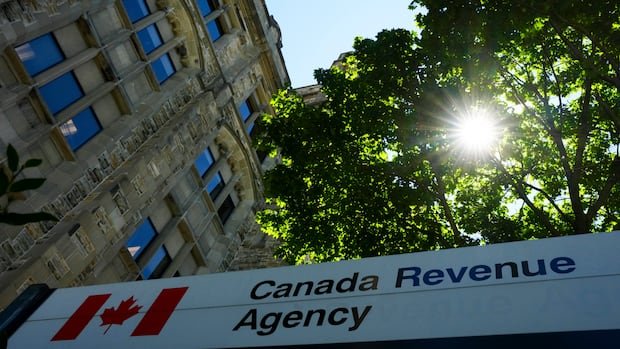
After more than six years since the onset of the COVID-19 pandemic, the federal government is still attempting to recover billions of dollars that were disbursed to Canadians who were later deemed ineligible for assistance. A report from Maytree, a research organization focusing on poverty issues, highlights that these recovery efforts disproportionately impact low-income individuals who struggle to repay, leading to a situation where the costs of recovery exceed the actual funds recouped. The report calls for a halt to the government’s pursuit of pandemic benefits clawbacks.
Approximately $14 billion in COVID-related aid was distributed by Ottawa, with a significant portion going to individuals who did not meet the income criteria set by the Canada Revenue Agency (CRA). The largest share of these funds was allocated through the Canada Emergency Response Benefit (CERB) and subsequently the Canada Recovery Benefit (CRB). By the end of November last year, the CRA disclosed outstanding debts amounting to $10 billion, primarily from CERB and CRB disbursements. Despite repeated requests by CBC News, updated figures from the CRA were unavailable after more than two weeks.
The focus of the report is not on fraudulent activities but on the repercussions of rapid government actions leading to errors and burdening those least equipped to handle the financial strain. John Stapleton, co-author of the Maytree report and a social policy expert, acknowledges that while some individuals knowingly applied for benefits they were not entitled to, there are others who unintentionally received assistance and are now facing severe consequences.
In a bid to recoup pandemic relief funds, the government allocated $123 million in Budget 2025 to support collection efforts over a two-year period starting in 2026-27. Stapleton and Tyler Meredith from the Munk School of Public Policy and Maytree emphasize that many Canadians indebted for pandemic benefits are from low-income backgrounds, making repayment a significant challenge for them.
Meredith, who played a key role in crafting the government’s economic response to the pandemic, notes that while the intention of the aid programs was to assist those experiencing income loss, misconceptions arose, with some viewing the benefits as a form of universal income. The rollout of the CERB in 2020 lacked a comprehensive recovery strategy, according to Meredith, as the government had to swiftly adapt to the escalating crisis, resulting in ineligible payments.
Addressing the issue of outstanding debts owed by ineligible recipients, Meredith suggests that outright forgiveness is not a viable solution and proposes exploring options for extended repayment periods akin to the approach taken with Canada’s Emergency Business Account program. Maytree’s recommendations include a phased approach to winding down benefit collections, urging government bodies to assess the financial implications of recovery efforts and amend tax regulations to facilitate negotiations on outstanding debts.
In conclusion, the complexities surrounding the recovery of pandemic benefits necessitate a structured framework to address the outstanding debts while considering the financial challenges faced by individuals who inadvertently received aid they were not eligible for.

