
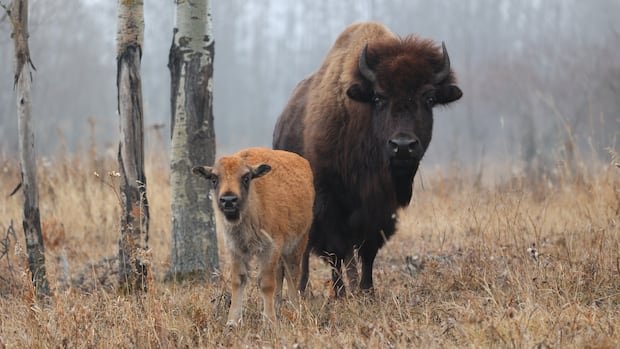
New insights into the genetic makeup of bison are shedding light on the impact of their near-extinction and subsequent recovery on their species. A recent study published in Science has sequenced 160 bison genomes, providing a genetic timeline spanning 20,000 years. The research involved nearly 40 scientists, led by paleogeneticist Jonas Oppenheimer from the Paleogenomics Lab at the University of California, Santa Cruz.
By analyzing ancient and modern bison DNA, researchers found that the fragmentation of current herds poses challenges to their resilience. Bison populations, once genetically similar across North America, now exhibit significant diversity depending on their herds’ origins. This genetic differentiation is a result of a bottleneck effect caused by human-driven population declines.
The study also highlighted the distinct genetic differences between wood bison and plains bison, showing that they diverged approximately 3,000 years ago due to changing climates. Despite significant declines in population numbers, genetic diversity has been preserved in isolated herds. Efforts are now being made to reconnect these herds through genetic matchmaking to prevent inbreeding and preserve diversity.
The findings underscore the importance of managing wood bison and plains bison as separate subspecies for conservation purposes. Collaborative initiatives, such as the Bison Integrated Genomics project, aim to leverage genetic data to guide conservation efforts and restore genetic diversity among bison herds. This approach could help reintroduce genetic flow across landscapes and support the long-term survival of bison populations.

