
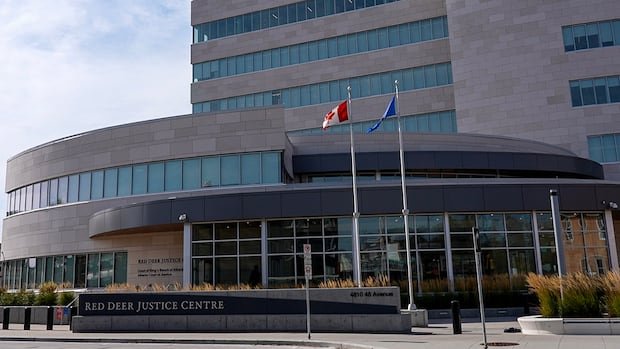
An Alberta RCMP officer, Eli Ndatuje, has been acquitted of charges accusing him of unlawfully accessing a police database to aid the government of Rwanda. The trial, presided over by Justice Jason Wilkins at the Red Deer Court of King’s Bench, concluded with Ndatuje being found not guilty on all counts. The charges stemmed from allegations that Ndatuje, while stationed in Red Deer in April 2022, accessed a police database and shared the obtained information with the High Commission of Rwanda in Ottawa.
Ndatuje, born in Uganda to Rwandan refugee parents, immigrated to Canada at the age of 13 and later joined the RCMP in 2018, serving in Red Deer. During the trial, it was revealed that Ndatuje accessed the database after a friend from the High Commission of Rwanda in Ottawa raised concerns about a missing housekeeper at the Rwandan ambassador’s residence in Ottawa. However, the search yielded no results, prompting Ndatuje to advise his friend to contact the Ottawa Police Service instead.
While the Crown argued that “no information is information” regarding the unfruitful search, Justice Wilkins opined that this argument did not apply in this instance. Ndatuje maintained that his search was driven by genuine concern and stated that he had not conducted similar searches for individuals associated with the Rwandan government. Despite suspicions raised during the trial about a lengthy call between Ndatuje and his friend, the defence contended that their conversation was merely a catch-up and not indicative of any impropriety.
An investigation into Ndatuje’s actions by Canada’s Integrated National Security Enforcement Team involved wiretap warrants, yet no incriminating evidence emerged from the surveillance. Justice Wilkins emphasized that there was no indication of malicious intent on Ndatuje’s part and suggested that consulting a supervisor could have averted the subsequent investigation. He also dismissed any link between Ndatuje’s travel plans to Rwanda and the database search, concluding that the Crown’s reliance on circumstantial evidence was insufficient to prove guilt.

