
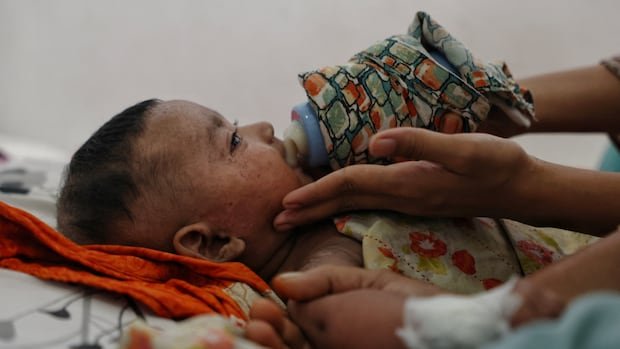
Bangladesh is currently grappling with its most severe measles outbreak in history, with approximately 1,000 suspected and confirmed measles-related deaths reported since March. The country, which had made significant progress towards eliminating measles in the past, is now facing a crisis with over 57,000 cases recorded between January and June, making it the largest measles outbreak globally according to data from the U.S. Centers for Disease Control and Prevention.
However, the actual numbers could be much higher, as per Bangladesh’s Health Ministry, which has reported over 166,000 suspected measles cases since the outbreak began, including nearly 20,000 laboratory-confirmed infections. The outbreak has tragically resulted in 999 deaths, with over 146,000 suspected patients requiring hospitalization.
The outbreak has been exacerbated by disruptions to routine immunization and vaccine supply in 2024 and 2025 due to political unrest, leaving many vulnerable, especially infants under nine months who are too young to receive routine vaccinations. Weak program oversight, insufficient monitoring, and procurement policy changes have also been cited as factors contributing to the outbreak.
Health Minister Sardar Md. Sakhawat Husain highlighted how changes in vaccine procurement led to shortages, while postponements of vaccination programs in 2024 and 2025 left more children susceptible to infection. International health agencies have also pointed out the impact of disrupted immunization schedules, with under-fives accounting for a significant portion of the cases during the initial phase of the outbreak.
Efforts to contain the outbreak include a nationwide emergency vaccination campaign launched in April, but the situation remains dire. Hospitals are struggling to accommodate the surge in measles cases, further compounded by the rising number of dengue patients. The strain on the healthcare system is evident, with hospitals exceeding capacity and shortages of essential supplies hindering treatment efforts.
Despite challenges, vaccination remains a crucial tool in combating measles. Experts emphasize the need to close immunity gaps, enhance vaccination coverage, and raise public awareness to curb the outbreak. The twin health crises of measles and dengue underscore the complexities facing Bangladesh’s healthcare system, requiring a balance between routine services and responding to infectious diseases to safeguard public health.

