
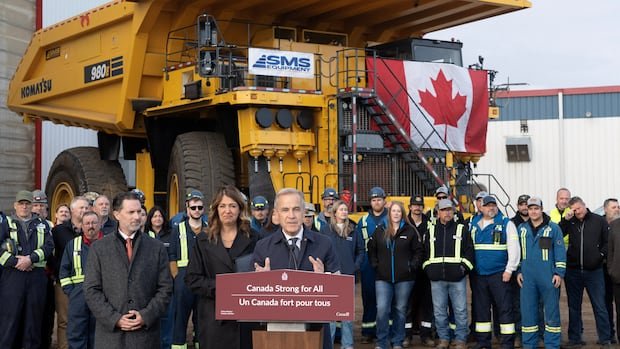
The federal and Alberta governments have announced that a proposed pipeline, set to transport one million barrels of oil daily from Alberta to the B.C. coast, has been designated as a project of national interest. The pipeline, now known as the Pacific Link pipeline, has been listed on Schedule 1 of the Building Canada Act. This move signifies a shift from debating the necessity of the project to expediting the approval process by streamlining assessments, including environmental considerations.
Previously, project proponents had to invest significant time and resources without clarity on federal support. By positioning the federal government’s stance at the project’s outset, construction delays and uncertainties have been minimized, fostering a conducive environment for development.
It is anticipated that the pipeline will significantly boost Canada’s GDP, contributing up to $30 billion annually, with a substantial portion derived directly from the pipeline operations. By broadening Canada’s export destinations beyond the U.S., the country aims to secure better prices for its oil, potentially generating an additional $10 billion in revenue each year. Moreover, the project is projected to create around 140,000 employment opportunities once approved.
The estimated project cost ranges between $35.2 billion and $43.7 billion, inclusive of contingencies. The pipeline ownership structure involves the Alberta government and the federally owned Trans Mountain Corporation each owning 45%, with the remaining 10% stake held by the Pembina Pipeline Corporation during construction. Post-completion, Pembina Pipeline Corporation will have the option to acquire an additional 10% stake. Indigenous communities are also being offered a minimum 10% ownership share in the project.
Despite the predominant public ownership of the pipeline by the federal and Alberta governments, potential private sector investors are monitoring developments closely. The project’s success in meeting the 2032-33 completion timeline will likely influence private investment decisions. Alberta Premier Danielle Smith views government participation as a means to encourage private sector involvement in future ventures, emphasizing the importance of collaboration throughout the project lifecycle.
Prime Minister Mark Carney highlighted the inclusive nature of the project, involving Alberta, B.C., and Indigenous communities. He emphasized Canada’s favorable investment climate, citing reduced effective tax rates and affirmed that the country is an attractive destination for investors.
Environmental impacts and emissions reduction strategies are integral to the project’s development. The Pathways Project, focusing on carbon capture and storage, aims to significantly reduce emissions intensity associated with oil production. However, environmental groups have raised concerns about increasing oil extraction and emissions.
The announcement received mixed reactions, with business groups endorsing the project for its economic benefits, while environmental organizations cautioned against further oil development. The federal government’s commitment to enhancing environmental protection and emissions reduction remains crucial for addressing climate change concerns.
Political leaders from different parties expressed varying opinions on the pipeline project, with the NDP criticizing the perceived haste in approvals and the Conservatives advocating for swift implementation. The project’s progress will shape Canada’s energy landscape and environmental policies in the coming years.

