
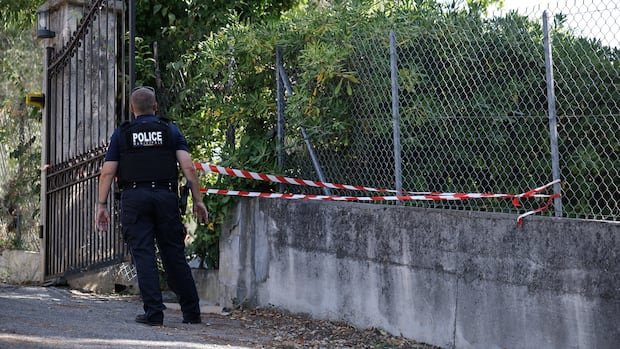
Art theft experts suggest that a high-profile heist at the Louvre last year has spurred a series of bold art thefts, placing European museums holding valuable artworks in a challenging position. In a recent incident, thieves breached a fence and a window at the Renoir Museum in Cagnes-sur-Mer on the French Riviera, making off with four paintings. Two of the stolen works were dropped during a police pursuit.
The stolen paintings by the renowned Impressionist artist Pierre-Auguste Renoir are valued in the tens of millions of dollars. According to Anthony Amore, an expert in art theft based in Boston, Massachusetts, the Renoir theft is part of a pattern of high-profile crimes following the $140 million CAD Napoleonic jewelry theft at the Louvre in Paris. Amore described the recent wave of thefts as unprecedented in his two decades of experience.
Despite the arrest of four suspects in the Louvre heist, most of the stolen jewels are still missing. There have been similar thefts in other regions, such as the March incident where masked individuals stole valuable works by Renoir, Paul Cézanne, and Henri Matisse from the Fondazione Magnani Rocca museum in Italy. In another case, four Renaissance paintings worth over $100 million were stolen from the Museo Regionale di Messina in Sicily in August, with the crime remaining unsolved.
Erin Thompson, an art crime professor at City University of New York, attributed these thefts to being “Louvre-inspired,” carried out by hired criminals. She emphasized the foolishness of stealing well-known artworks due to the challenges of selling them after such high-profile crimes. Thompson highlighted the lack of foresight among art thieves who exploit security vulnerabilities in museums without considering the consequences.
The mayor of Cagnes-sur-Mer, Bryan Masson, emphasized the importance of museum protection following the Renoir theft. The French government faces pressure to address security deficiencies in museums, as highlighted in a recent parliamentary report revealing insufficient resources and preparedness to safeguard valuable cultural artifacts.
Thompson pointed out the complex security challenges faced by museums, citing historical underfunding and the need to balance security measures with preserving the accessible and immersive museum experience. Despite efforts to enhance security, Amore warned that thieves may resort to more aggressive theft methods, as indicated by a Europol report showing a shift towards violent and forceful tactics in art theft across Europe.
In conclusion, the recent surge in art thefts underscores the ongoing challenges faced by museums in safeguarding priceless artworks, prompting the need for enhanced security measures to combat evolving theft strategies.

