
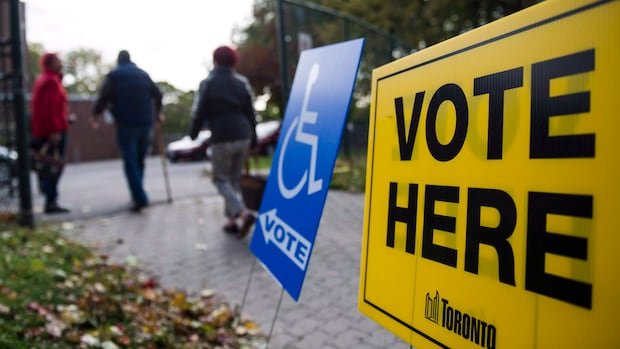
The nomination period for candidates in municipal elections across Ontario has closed, providing clarity on the choices awaiting voters this fall. Elections are scheduled for Oct. 26, with early campaigning already underway in cities like Toronto and Mississauga.
Ahead of the deadline, there was a flurry of activity, particularly in Toronto where former councillor Mary Fragedakis and current University-Rosedale councillor Dianne Saxe entered the race for Toronto-Danforth. In Windsor, incumbent Mayor Drew Dilkens submitted his candidacy just minutes before the cutoff time.
Notable contenders, such as former Liberal MP Nate Erskine-Smith and recently resigned Liberal MP Shaun Chen, have joined the municipal race. Concerns have been raised about the number of uncontested seats as the deadline approached.
According to Zachary Spicer, an associate professor at York University, a competitive mayoral race can boost voter turnout in municipal elections, which typically see lower participation than provincial or federal elections. Conversely, a dominant incumbent in the mayoral race may dampen interest in council races.
The Toronto-Danforth race has intensified following Coun. Paula Fletcher’s retirement announcement, attracting a total of 17 candidates. Fragedakis, a former Toronto-Danforth councillor, emphasized her experience in addressing community issues over the past eight years. Saxe aims to bring environmental advocacy to city council, echoing former councillor Mike Layton’s commitment to environmental causes.
In other cities, Mississauga, Hamilton, and Guelph are poised for interesting mayoral races. Toronto residents are seeking faster decision-making and openness to new ideas from their city leadership, as indicated by a recent poll highlighting concerns about infrastructure investment, cost of living, housing affordability, and traffic congestion.

