
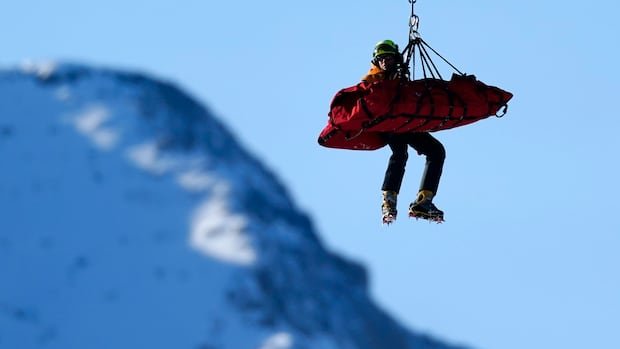
In the Canadian Rockies, national and provincial parks witness numerous rescues annually. Kananaskis Mountain Rescue reported a record 445 rescues in 2025, while Banff, Jasper, Kootenay, and Yoho national parks collectively recorded around 250 incidents. Most of these rescues involve minor injuries like fractures, sprains, and lost individuals, but occasionally, there are severe cases leading to public attention.
The question of who bears the cost of rescues often arises. Marc Ledwidge, a retired Parks Canada rescue specialist, acknowledges the debate around whether the rescued individuals should be responsible for the expenses. He emphasizes the importance of the rescue service’s existence in a society where social services play a crucial role in aiding those in need.
The funding for rescue operations comes from a combination of public funding and fees collected from park visitors. For instance, Kananaskis Mountain Rescue’s annual cost of approximately $1.5 million is covered through the Kananaskis Conservation Pass. In the fiscal year 2025-26, there were 110 rescues in Banff, Yoho, and Kootenay national parks, amounting to about $683,000 in expenses.
Rescue operations are financed through each national park’s annual budget, with entry fees contributing to the funding. In cases where free entry is permitted, such as with the Canada Strong Pass, park budgets are adjusted to compensate for any revenue losses.
Various agencies, including fire rescue services, police, and paramedics, collaborate in conducting rescues. Volunteer search and rescue groups rely on a combination of government funding and donations for their operations. Public Safety Canada has allocated $9.24 million to Alberta over the past decade for search and rescue purposes.
In most Canadian regions, rescue services are provided without charge to avoid discouraging individuals from seeking help due to potential financial burdens. However, in specific locations like Yukon’s Kluane National Park, climbers scaling Mount Logan are required to have insurance covering rescue expenses due to the high costs associated with remote area rescues.
Rescue incidents in the parks are primarily related to hikers experiencing slips, falls, minor injuries, or becoming stranded or lost. Park authorities assess each situation to determine the appropriate response, with in-person assistance being provided only when necessary.
In conclusion, safety is a shared responsibility, and visitors are encouraged to access park information, plan their trips effectively, and make informed decisions to ensure their well-being during outdoor activities. The focus remains on providing essential rescue services without judgment and advocating for preparedness among park visitors.

