
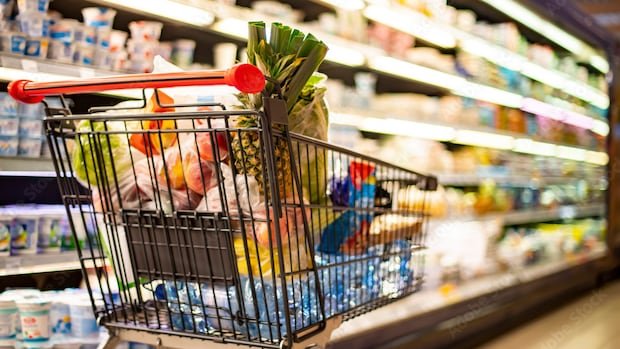
Grocery prices have been increasing at a faster rate than general inflation, except for a brief slowdown in August. Economists Jim Stanford and agriculture professor Mike von Massow point to various factors contributing to the rise in food prices, such as climate conditions, immigration policies, tariffs, and retailer pricing strategies.
Analyzing data from Statistics Canada’s Consumer Price Index, a study by Marketplace highlighted significant year-over-year food price hikes in 2026. One notable example is the substantial increase in ground beef prices compared to the overall inflation rate.
The surge in beef prices can be attributed to several factors:
– Dwindling cattle herds due to dry weather in the Canadian Prairies.
– Escalating costs of livestock production, including feed, fuel, and labor.
– Continued strong consumer demand for beef, despite the price spikes.
As beef prices soared, consumers turned to chicken as a more affordable protein alternative. However, the limited availability of chicks to meet the rising demand, coupled with challenges like avian influenza, led to higher retail prices for chicken products.
Tomato prices also experienced a significant uptick, partly due to reduced U.S. farm labor affecting planting, production shifts to Mexico, increased transportation costs, and U.S. tariffs on Mexican tomatoes.
Concerns over rising food prices prompted the Competition Bureau to investigate major grocers’ practices. Efforts to promote competition in the grocery sector and enhance consumer choices have been ongoing, with recent progress in implementing new regulations aimed at fostering fair pricing practices.
The Canadian government has introduced initiatives like the Groceries and Essentials Benefit and the National Food Security Strategy to address food affordability and sustainability issues. Minister of Agriculture Heath MacDonald emphasized the need for long-term planning and investment to ensure a stable and cost-effective food supply for Canadians.

