
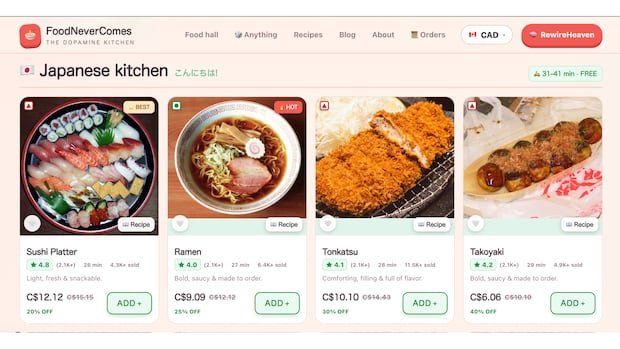
The fascination with counterfeit online shopping platforms is on the rise, offering the excitement of shopping without the financial commitment. These mock shopping websites cater to a younger, budget-conscious demographic seeking to control impulsive purchases.
Originating in South Korea, simulated shopping sites gained traction as a means to replicate the satisfaction of shopping without the financial burden, amidst soaring living expenses and a consumer-centric culture. This trend has now expanded globally, with platforms like DopamineCart, FakeEats, DopaHaul, and FakeHaul enabling users to virtually shop for everyday items, clothing, or meals without any physical delivery.
For instance, FoodNeverComes, a fictitious food delivery website launched recently, has amassed approximately 92,000 active users in the last 90 days. Users can fill their carts, mimic the checkout process, and track their virtual orders being “delivered” on a digital map. The creators, Anshul Sharma and Purvansh Parmar from Udaipur, India, emphasize that their ad-free platform has garnered around 1.1 million interactions.
Reflecting on their own struggles with excessive food orders, Parmar highlights the ease of online ordering leading to compulsive spending habits. To counter this, the duo not only offers simulated shopping experiences but also promotes cooking at home by sharing recipes.
The appeal of these online shopping simulators lies in their ability to activate similar brain regions as actual shopping, particularly attracting financially conscious individuals. However, the effectiveness of these sites depends on the user’s intention, serving as a substitute for unaffordable or unnecessary purchases rather than an escape from negative emotions.
Moreover, initiatives like the Imaginair store incorporate environmental messages within the faux shopping experience, aiming to raise awareness about the environmental impact of rampant online shopping. By encouraging users to consider sustainable alternatives like second-hand shopping or item repairs, these platforms address issues of overconsumption and environmental sustainability.
In essence, while counterfeit shopping sites may symbolize the pervasive consumerist culture, they also signify a growing awareness among users regarding their shopping habits. This newfound consciousness may pave the way for more intentional consumption patterns and a shift towards sustainable choices.

