
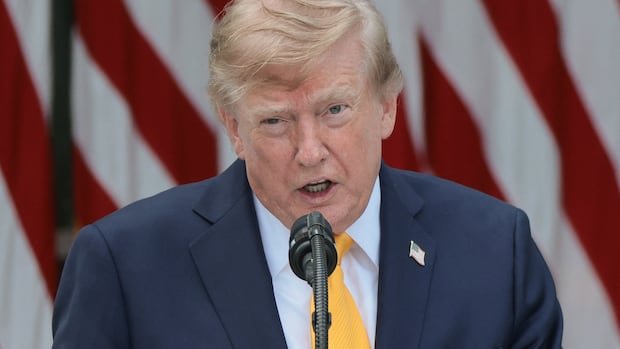
The White House released a statement on Tuesday addressing Canada’s trade practices with the United States, accusing Canada of taking advantage of the trade relationship for decades. This statement comes amid escalating tensions between the two countries, with recent tariff negotiations breaking down as Prime Minister Mark Carney withdrew, citing unreasonable demands from the U.S.
The White House’s claims about Canada vary in accuracy and opinion. One of the assertions made is that Canada, along with China, has chosen retaliation over negotiation with the U.S., a statement that aligns with current trade dynamics. While Canada has engaged in talks, other trading partners have not yet taken retaliatory actions against U.S. tariffs.
Regarding tariffs on vehicles, Canada is accused of imposing discriminatory tariffs on U.S. vehicle imports. While this is factually correct, the context reveals that Canada responded to similar U.S. tariffs imposed earlier. The failed negotiations aimed to address or reduce these tariffs.
In response to Trump’s tariffs in 2025, Canadian provinces removed U.S. alcohol from government liquor store shelves. Nearly all provinces, except Saskatchewan and Alberta, implemented this ban, linking its removal to substantial reductions in U.S. tariffs. The ban on U.S. alcohol remains in place, impacting American wineries and the bourbon industry.
The White House also criticized Canada for its dairy tariffs, claiming a 300% tariff on U.S. dairy products. While Canada imposes high tariffs beyond a set limit, the U.S. dairy industry can export tariff-free up to that threshold. The U.S. contention arises from restrictions on American dairy sales in Canada, contrasting with agreements allowing European brands to retail products there.
Trump’s emphasis on trade deficits is reiterated in the statement, highlighting Canada’s annual goods trade surplus with the U.S. This surplus is largely influenced by oil exports from Canada to the U.S. at advantageous prices, skewing the deficit calculation. Excluding energy, the U.S. would have a goods surplus with Canada, indicating a more balanced trade relationship.
The White House statement concludes with claims that cannot be definitively fact-checked, presenting opinions and debatable assertions about Canada’s trade policies and economic ties with the U.S. While the U.S. holds economic leverage due to its larger economy, the ongoing trade war dynamics remain a subject of debate.
If you have any thoughts on Canada’s retaliatory tariffs on the U.S., share your views by joining the conversation.

