
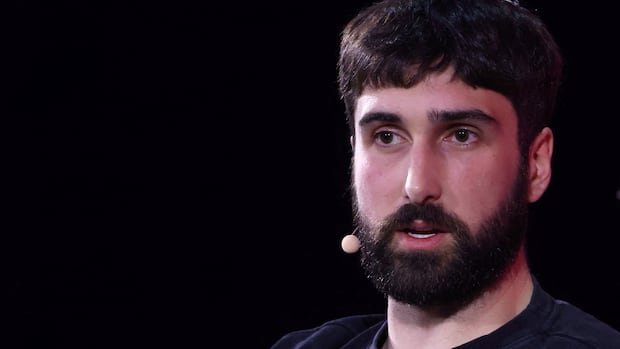
The CEO of a prominent artificial intelligence company in Canada is cautioning against succumbing to “fearmongering” following the recent concern sparked by an Anthropic researcher’s suggestion of a more than 10% likelihood that AI could pose a threat to humanity within the next ten years.
Aidan Gomez, from Cohere based in Toronto, emphasizes the importance of developing new safeguards for AI while also considering the potential benefits such as cost reduction and advancements in the medical field. He dismissed the extinction risk narrative as fear-inducing and not based on concrete data, attributing it to speculative individual feelings.
Gomez expressed general support for Prime Minister Mark Carney’s proposal for a global oversight body to manage and mitigate the perceived lesser risks associated with AI. He highlighted Canada’s position as a key player in the global AI landscape due to its early contributions and technological advancements.
At a recent investment summit in Toronto hosted by Carney, Gomez underscored Canada’s responsibility in controlling the deployment of AI worldwide, given the nation’s historical involvement in funding research that led to significant technological breakthroughs. He mentioned Cohere’s role in providing generative AI models to businesses and its collaborations with both the federal government and Bell Canada.
The summit also saw significant commitments from various companies, including plans by Bell Canada to expand an AI data center near Regina and financial pledges from TD Bank and Scotiabank for infrastructure projects, including AI-related initiatives.
Carney emphasized the importance of speed and predictability in advancing Canada’s investment agenda, stating that these factors serve as competitive advantages. However, amidst the push for rapid progress, some leaders in the AI sector are advocating for caution and the establishment of safety measures to prevent potential risks associated with advanced AI models.
In contrast to industry calls for self-regulation, Gomez favors a more structured approach to oversight, aligning with Carney’s vision for a global technology stability body to ensure the safe and equitable development of AI technologies. He emphasized the need to balance the benefits of AI, such as cost efficiency and medical advancements, with ensuring safety and regulatory frameworks.
Evan Solomon, the federal minister for AI and digital innovation, echoed the government’s focus on AI safety and announced an upcoming significant development in collaboration with Canadian AI pioneer Yoshua Bengio involving Germany. Solomon stressed the necessity of implementing safety guidelines and regulations to protect citizens from risks while harnessing the opportunities presented by new technologies.
Looking ahead, establishing effective international safeguards for AI presents challenges but remains feasible, particularly in light of past global cooperation on scientific and technological advancements. The competitive landscape between the U.S. and China in AI development mirrors historical rivalries, prompting the need for strategic considerations to protect national interests and ensure data sovereignty.
As discussions on AI regulation and safety intensify, Canada faces the task of attracting foreign investment for data centers without compromising its strategic capacity or national security. The emphasis on safeguarding essential assets and ensuring data sovereignty underscores the need for careful considerations in international partnerships and investments in AI technology.

