
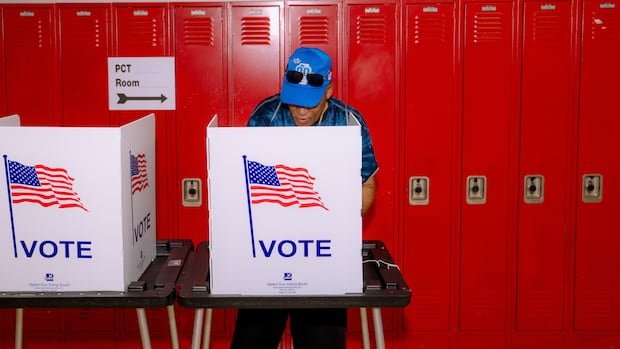
The upcoming U.S. midterm elections will determine the extent to which Republican President Donald Trump can advance his agenda in the final two years of his term or if he will face opposition from a Democrat-led Congress. Here’s a breakdown of key points about the midterms.
The midterm elections are crucial as they decide the balance of power in both the House of Representatives and the Senate, collectively forming the U.S. Congress. The party controlling the Senate influences presidential appointments to key positions, while the party in charge of the House can initiate impeachment proceedings and drive budget-related decisions. If one party controls both chambers, it wields significant legislative influence and can potentially counter some presidential actions.
The Democrats are optimistic about their midterm prospects, contrasting with some Republican concerns. Historical trends indicate that the party of the incumbent president typically loses congressional seats in midterms, with few exceptions such as Bill Clinton and George W. Bush during their high-approval rating periods. However, Trump’s approval ratings are not favorable.
With narrow majorities in Congress, the Republicans face a challenge in maintaining control with minimal seat losses. The Democrats aim to gain just four House districts and four Senate seats to secure majorities. Senate control is harder to achieve due to fewer seats up for election and the need for statewide victories.
All 435 House seats are up for election with two-year terms, while only 35 of the 100 Senate seats are on the ballot for six-year terms. Election day is set for November 3, but early voting options, including mail-in ballots, are being contested by the Trump administration.
Although Trump is not on the ballot, his impact on the election is significant. His low approval ratings present challenges for Republicans, with some candidates seeking distance from him. Top voter concerns include the cost of living, influenced by factors like rising gas prices due to international tensions and consumer goods prices affected by tariffs.
The key issues in the midterms revolve around economic concerns, with Trump’s policies and leadership being central topics. Voter turnout will play a crucial role, with each party aiming to rally its base around different narratives regarding Trump’s influence and the potential outcomes of a shift in congressional control.
In the Senate races, fewer than 10 seats are considered competitive, with states like North Carolina, Maine, Ohio, Alaska, Iowa, and Texas posing challenges for Republicans. Democrats face tough battles in Michigan and New Hampshire. In the House, a limited number of districts are considered toss-ups, with key battlegrounds in Pennsylvania and Michigan as Democrats push to reclaim control.

