
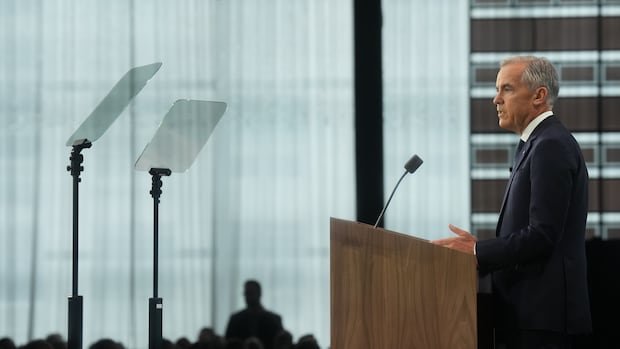
Prime Minister Mark Carney has announced plans to open Canada’s four largest airports to private investment while ensuring that the government retains ownership of the airport land. Carney outlined that seeking private funds through long-term concessions will be the approach to operate airports like Toronto Pearson International, Vancouver International, Trudeau International in Montreal, and Calgary International.
During the Canada Investment Summit in Toronto, Carney highlighted the government’s strategy to bring in new capital and expertise for the efficient operation and growth of these airports while retaining ownership of the underlying assets. The prime minister emphasized that the capital raised, estimated to be in the tens of billions of dollars, will be reinvested into Canada’s essential infrastructure for future generations.
In an effort to secure $1 trillion in investments for 167 projects across Canada over the next five years, Carney has invited over 100 major global investors to the summit. He mentioned that the government had learned from past privatization attempts in other countries, aiming to apply those lessons for a more successful outcome this time.
Carney addressed concerns about the timing of this decision, stating that the current global environment necessitates a strategic approach to building and safeguarding Canada’s fiscal discipline. The move towards private investment in airports is seen as a way to maximize the value of federal assets while ensuring significant revenue generation for the public coffers.
The government’s interest in airport privatization has been evident since last year, with plans to explore legislation for this purpose. The Canadian Airports Council emphasized the importance of maintaining the current airport model while engaging with the government on this new initiative.
While Conservative Leader Pierre Poilievre called for more details on the plan to assess its benefits for Canadians, the NDP criticized the privatization proposal, advocating for public infrastructure to remain in public hands. The Canadian Labour Congress also expressed concerns about the implications of allowing private investors to operate airports, citing potential negative impacts on passengers, workers, and public revenue.
As discussions continue on the potential privatization of airports, experts stress the need for careful consideration and increased regulation to mitigate any negative consequences. Rod Sims, drawing from Australia’s experience with airport privatization, highlighted the importance of implementing measures like price caps on airport fees to protect consumer interests.

