
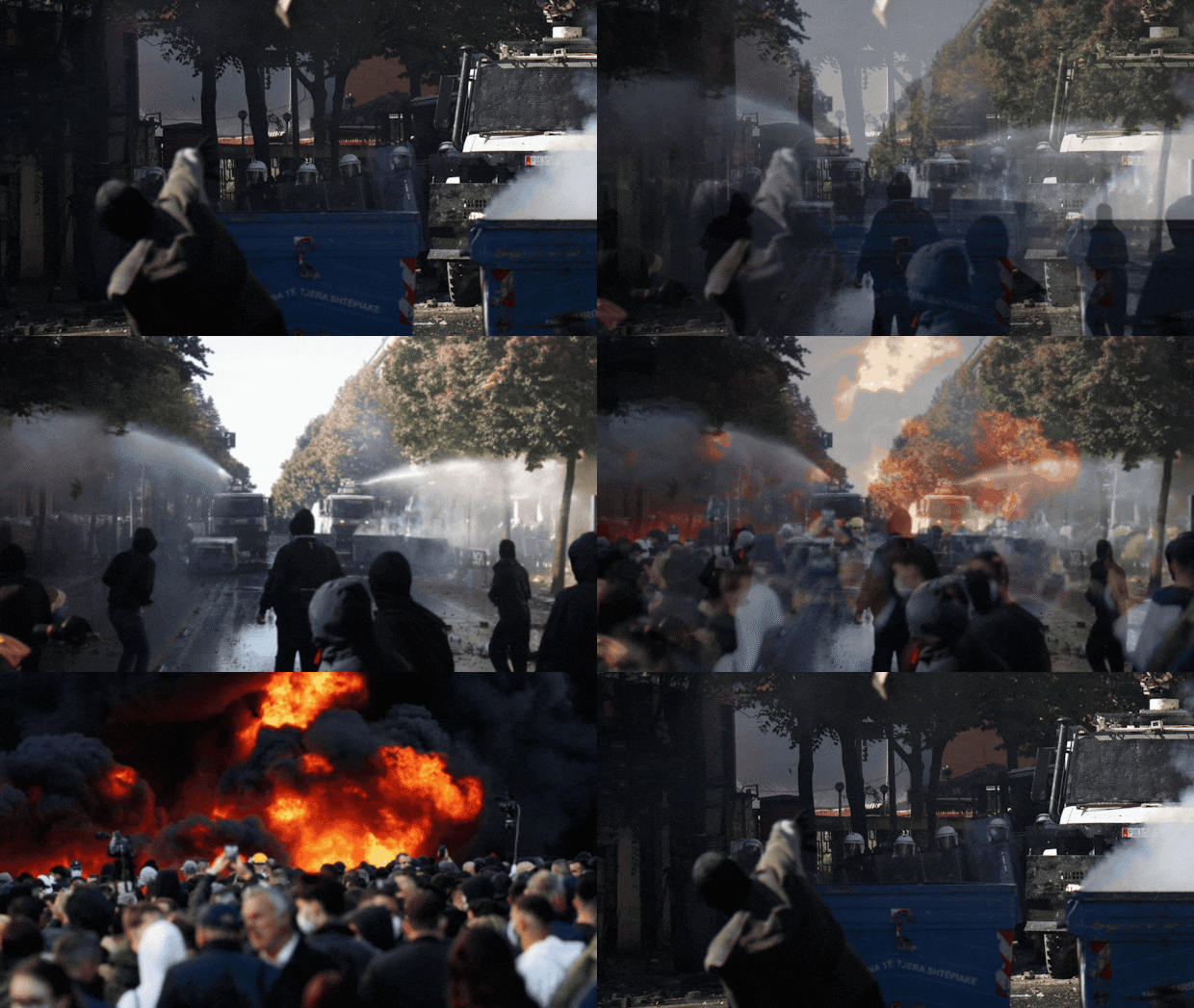
Tirana witnessed a massive protest as tens of thousands of students took to the streets, causing chaos by setting fire to the Education Ministry building and two banks, and engaging in confrontations with the police. The protest, fueled by discontent over escalating education costs and corruption, marked the second consecutive day of unrest in Albania.
Law enforcement authorities responded to the situation by using water cannons and tear gas to disperse the protesters who resorted to violence, including setting fires, vandalizing local businesses, and overturning garbage cans.
The clashes in Albania are reflective of a broader trend of student activism sweeping across Europe, with France experiencing similar protests from high school students demanding better educational resources and facilities. The deteriorating school infrastructure and overcrowded classrooms have been highlighted as major concerns affecting the quality of education.
The ongoing protests in Albania, which began in May, represent a significant challenge to Prime Minister Edi Rama’s administration, with the demonstrations intensifying in violence and scale over time. Deputy Prime Minister Albana Koçiu condemned the violent actions, emphasizing the right to peaceful protest without resorting to destructive behavior.
Student organizers cited grievances related to university conditions, high education expenses, financial aid, and post-graduation job prospects as key reasons for staging the protest. Despite the calls for peaceful demonstrations, the unrest in Albania underscores the deep-seated frustrations among the youth regarding the state of education and opportunities in the country.

