
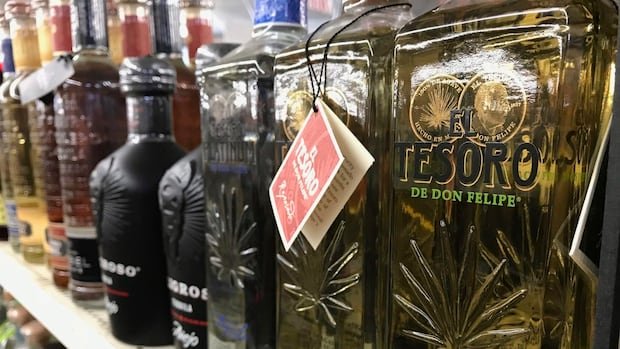
The government of the Northwest Territories is suggesting revisions to the procedures for purchasing, selling, and overseeing alcohol throughout the territory, with a commitment to granting more authority to local leaders and simplifying processes for businesses.
Although the new Liquor Act for the territory was ratified in 2023, the proposed regulations, currently open for public input until October 16, delineate the specifics of alcohol management in northern communities.
Finance Minister Caroline Wawzonek aims to modernize the legislative structure, which has not been updated since 2007, transitioning from uniform regulations across the territory to a system that can adapt to the unique requirements of individual communities.
Wawzonek emphasized the importance of establishing clear, flexible, and streamlined processes while empowering communities to better regulate the flow of alcohol in and out of their areas.
Key changes for businesses and permit holders include efforts to simplify what Wawzonek deems as slow and cumbersome rules. Various special occasion permits will be consolidated into a single application, and tourism operators will have more adaptable options for serving alcohol during outdoor tours or shore lunches.
To enhance oversight efficiency, the single Liquor Licensing Board will be replaced by a registrar within the N.W.T. Liquor and Cannabis Commission to handle applications, while a chief inspector will supervise compliance. Inspectors will now have the authority to impose immediate monetary fines on the spot, eliminating the need for businesses to attend board hearings.
The proposed adjustments for communities will extend bylaw powers, enabling local councils to enact specific bylaws instead of relying on territory-wide mandates. These may include regulating local operating hours, access for minors, and closures on Sundays or holidays.
While the draft regulations permit options for secondary vendors like grocery stores, convenience stores, or specialty wine shops, Wawzonek clarified that a new liquor outlet cannot open in a community without an official resolution from the local authority.
In the Sahtu region, alcohol management in Colville Lake operates under a rationing system. Joseph Kochon, senior administrative officer for the Hamlet of Colville Lake, noted that the council often desires to enforce temporary prohibition orders during events that pose an increased risk of addiction.
Regional leaders have long expressed concerns about alcohol to the territorial government. Kochon welcomed the simplification of actions, stating it could benefit communities seeking more efficient regulation.
However, leaders in other communities like Whatì and Fort McPherson expressed contentment with the current regulatory system. They believe the proposed changes will have minimal impact on their communities’ alcohol regulations.
Barbara Labelle, a resident of Yellowknife, criticized the government for prioritizing economic growth over addressing the social crises related to alcohol in N.W.T. communities. Labelle emphasized the necessity of focusing on the health and social impacts of addiction rather than expanding liquor sales options.
In response to health concerns, Minister Wawzonek highlighted the ongoing alcohol strategy within the Department of Health and Social Services to provide addiction support and treatment. She stressed the importance of maintaining a clear regulatory framework alongside health initiatives.
Public feedback on the draft regulations can be submitted through an online survey until October 16. The new Liquor Act will be enforced once the regulations are finalized.

