
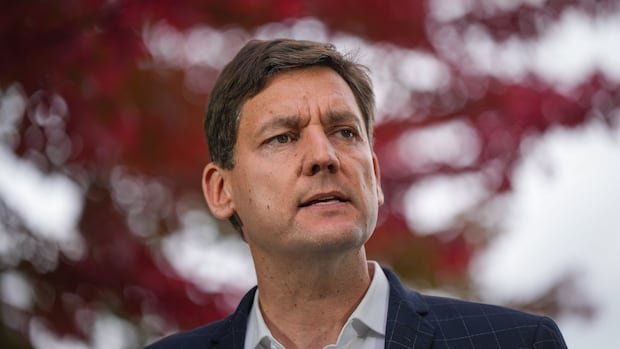
B.C. NDP Leader David Eby announced in Kelowna that the proposed vehicle levy by TransLink in Metro Vancouver, which would have charged vehicles an additional fee to support the transit system, will not proceed. The decision comes amidst financial challenges faced by British Columbians, with Eby emphasizing the importance of protecting residents from increased financial burdens.
TransLink had been considering the vehicle levy as a sustainable funding solution due to declining revenue from fuel taxes and expiring top-up funding. The NDP’s alignment with TransLink had raised hopes among mayors for the levy’s approval. However, the nearly $14-billion deficit and the snap election rendered the vehicle levy politically unviable, prompting Eby to definitively reject the proposal.
Eby’s focus has shifted to addressing rising costs at the pump, with a promise to temporarily reduce the fuel tax by 10 cents per liter. Additionally, the NDP introduced measures to regulate grocery prices, aiming to prevent price gouging by major grocery chains. These initiatives are presented as practical solutions that won’t strain the province’s finances, in contrast to previous unfulfilled promises.
Opposition parties have criticized Eby’s track record in delivering on promises, citing past commitments like the $1,000 grocery rebate that failed to materialize. Despite skepticism from opponents, the NDP remains steadfast in its cost-saving measures, emphasizing a commitment to protecting consumers from financial exploitation.
As the election campaign progresses, the focus on short-term challenges versus long-term solutions underscores the complexity of governing and responding to evolving circumstances. TransLink faces uncertainties in securing alternative funding sources, highlighting the need for sustainable financial plans to avoid disruptions in transit services and infrastructure investments.

