
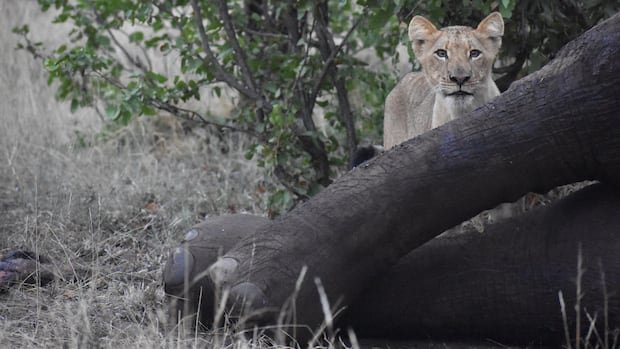

In the vast African savannah, elephants are reshaping the ecosystem even in death.
A recent study conducted by an international team of scientists in South Africa’s Kruger National Park revealed the enduring impact of elephant carcasses on the environment.
Known as “ecosystem engineers,” elephants play a crucial role in the savannah by modifying the landscape while alive. However, researchers were curious if this influence persisted post-mortem, as lead author Courtney Reed explained in the study published in the Proceedings of the National Academy of Sciences of the United States of America.
The decomposition of elephant carcasses was found to release significant nutrients into the soil, enhancing microbial activity and promoting the growth of nutrient-rich plants. This process attracted herbivores to the site for over seven years after the elephants’ demise.
Initially, the high nutrient concentration from carcasses led to a decrease in vegetation, creating barren patches known as “cold spots” in biodiversity. Over time, the ecosystem recovered as excess ammonium dissipated, eventually benefiting herbivores with nitrogen-rich vegetation.
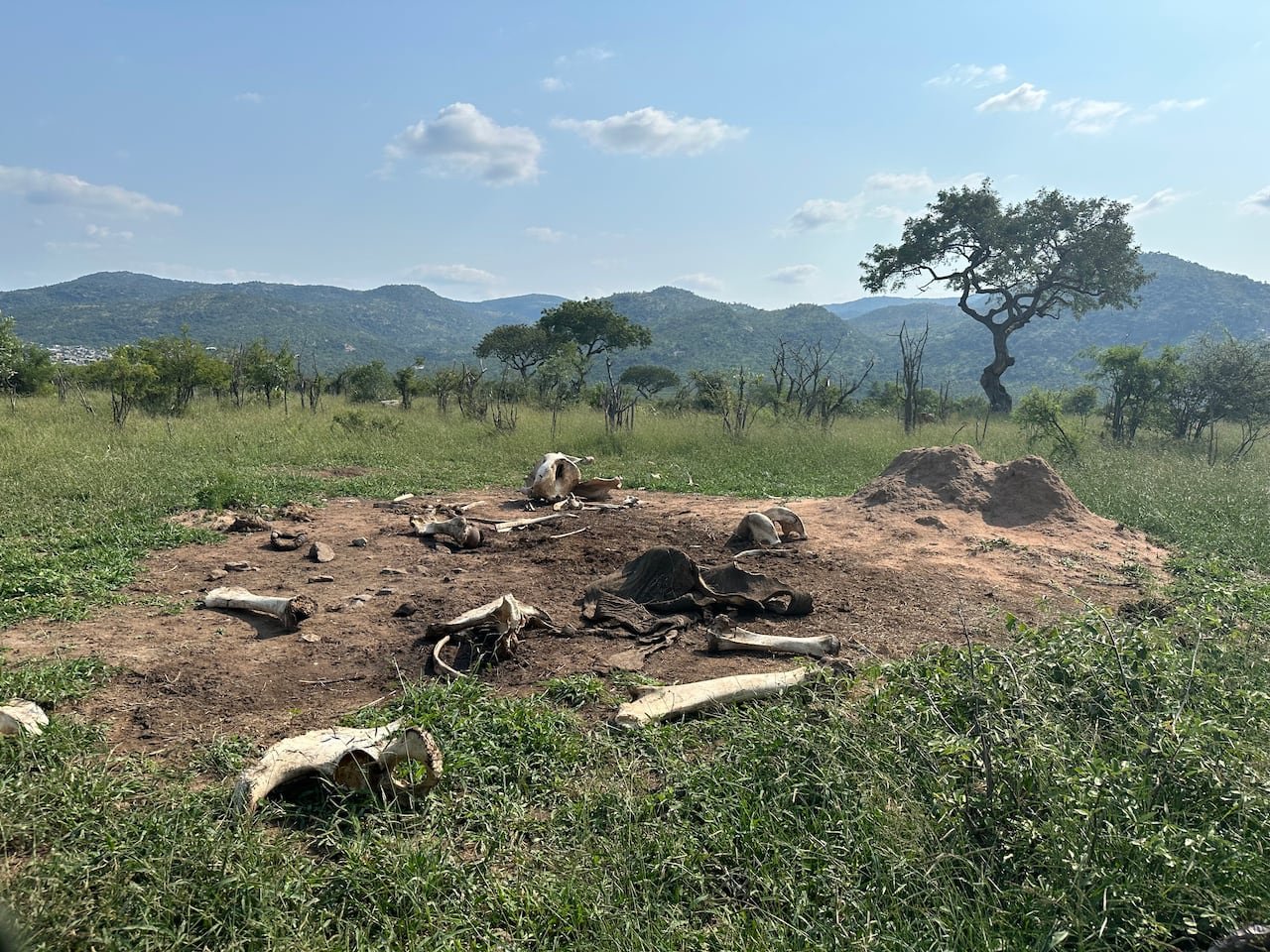
The study found that the high concentration of nutrients in elephant carcasses initially kills off vegetation around the place of decomposition, leaving large bare patches or ‘cold spots’ in biodiversity. (Submitted by Courtney Reed)
As vegetation regenerates, herbivores like zebra and buffalo are attracted to the nitrogen-rich grasses, sustaining a prolonged burst of herbivore activity. Furthermore, grazing animals and scavengers continue to enrich the soil through their waste, creating a positive feedback loop that extends long beyond the elephants’ deaths.
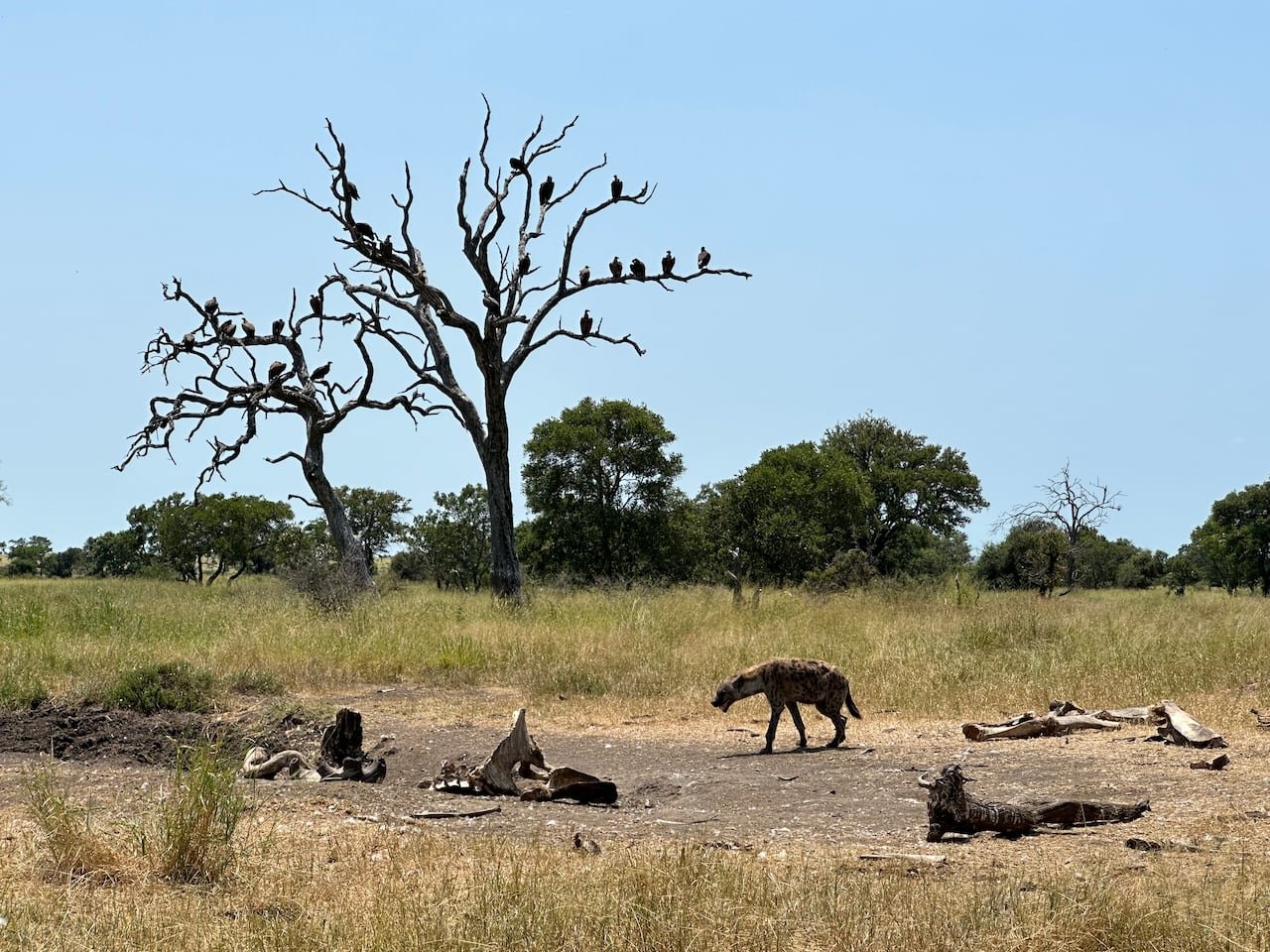
Researchers found that grazing animals and scavengers continue to visit the site of the carcass years later, further enriching the soil through their waste. (

