
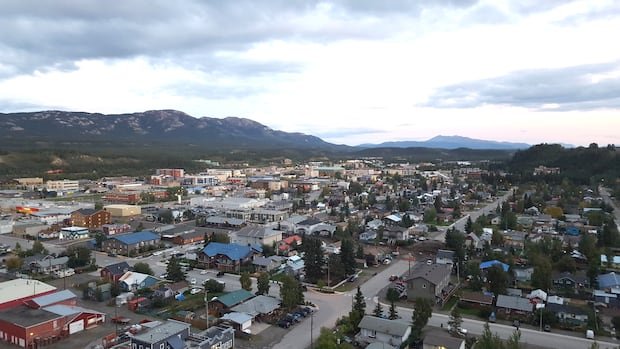
City of Whitehorse officials have presented proposed changes to city regulations to pave the way for the implementation of a mineral framework, potentially expanding the land available for exploration by nearly double the current amount.
The proposed mineral framework aims to establish a set of guidelines governing mining activities within city boundaries, ensuring oversight and safety measures based on the level of activity intensity. This includes setting specific time limits, standards for remediation, and regular inspections.
Previously, the city had contemplated a complete ban on mineral mining until a resident petitioned for it in 2023, sparking mixed reactions during a public hearing. However, the city has since progressed, with staff now suggesting adjustments to the top land use policy and zoning bylaws to accommodate increased mining activities in designated areas upon adoption of the mineral framework.
One challenge is the lack of clear definitions for mineral exploration and development within the city’s existing regulations, as these activities currently fall under rules intended for other purposes such as quarrying. A report from city administration highlights the uncertainty faced by holders of current mineral claims and permits.
To address these issues, staff are proposing amendments to certain bylaws and the city’s official community plan. These changes include introducing new mining- and mineral-specific definitions, enforcing a 500-meter buffer between residential areas and mineral exploration projects, and implementing a 100-meter setback from watercourses for such activities.
Furthermore, the city is considering adjustments to zoning bylaws, which may include restrictions on mining and exploration companies extracting water from rivers and streams. In cases where a company ceases operations due to bankruptcy or abandonment, staff recommend bonding requirements for site reclamation.
Dylan Harris, a senior planner at the city, emphasized the importance of clarity in the proposed amendments, aiming to establish a consistent policy and regulatory framework to guide exploration and development in Whitehorse.
The proposed framework is anticipated to expand the available exploration areas from 1,128 to approximately 2,200 hectares, primarily due to the inclusion of “future planning areas.” Currently, there are about 8,000 hectares of mineral claims throughout the city.
Councilor Lenore Morris expressed reservations about the proposed changes, suggesting that while many residents want stricter rules limiting mineral activities, the framework appears to create a pathway for such activities.
Harris acknowledged the pathway being established, emphasizing the need for application pathways with council review as a crucial aspect of developing regulatory frameworks. The council is set to further deliberate on the matter in the upcoming discussions.

