
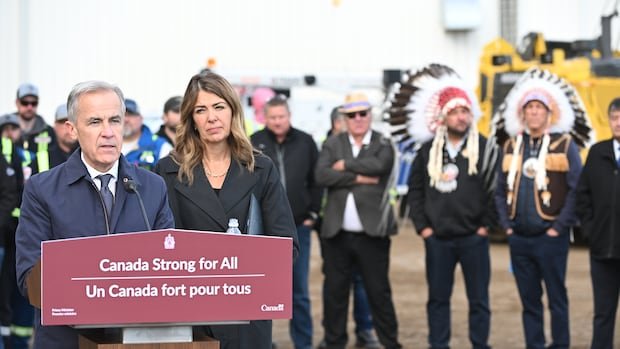
In Sumas First Nation near Abbotsford, British Columbia, Chief Dalton Silver mentioned that oil spills have become a common occurrence in their area. The First Nation’s traditional territory has been a pathway for crude oil storage, redirection, and transportation for many years. Despite Chief Silver’s unsuccessful opposition to the Trans Mountain Expansion Project in 2024, he is now preparing for a new battle against the proposed Pacific Link pipeline, which is expected to follow a route similar to the Trans Mountain pipeline.
Chief Silver expressed concerns that the Pacific Link pipeline, if approved, would traverse their territory, raising significant alarm among the community members. He emphasized worries about the potential impact on their drinking water, especially considering the historical issues with oil spills in the region.
Several Indigenous leaders, including Chief Silver, have been voicing apprehensions regarding the pipeline plans proposed by the Carney government. While some leaders are interested in the economic prospects the project may bring, others, like Chief Silver, feel excluded from the decision-making process and are contemplating legal challenges or direct actions such as blockades.
The Pacific Link pipeline project aims to transport one million barrels of oil daily from Bruderheim, Alberta, to Roberts Bank, British Columbia. Prime Minister Mark Carney has classified the project as being in the national interest, highlighting its potential economic benefits. However, Chief Raymond Powder of Fort McKay First Nation, though supportive of the economic opportunities, raised concerns about the tight timeline set by Carney, urging for thorough due diligence to be conducted.
A significant worry among Indigenous communities is the handling of oilsands tailings, which can have detrimental effects on the environment if not managed properly. Treaty 8 Grand Chief Trevor Mercredi stressed the importance of addressing these concerns and clarified that his presence at Carney’s announcement does not imply approval of the project.
One critical aspect that Chief Mercredi highlighted is the inclusivity of the consultation process. Some communities feel marginalized, while others have been collaborating with the oil industry for an extended period, leading to disparities in negotiating capabilities. The Privy Council Office stated that extensive consultations with Indigenous organizations have been conducted, considering various factors to ensure representation and involvement.
Despite the uncertainties and divisions within Indigenous communities, the economic potential of the pipeline project is a compelling factor for some, even amid environmental reservations. Chief Silver acknowledged the dilemma faced by communities needing financial support for essential services like schools and water systems, illustrating the complex decisions communities are grappling with.
In conclusion, the Pacific Link pipeline project has sparked a mix of hope, skepticism, and challenges among Indigenous leaders and communities, reflecting the intricate balance between economic development and environmental protection in Canada’s resource sector.

