
After achieving strong majority wins in the 2018 and 2022 provincial elections, the Coalition Avenir Québec (CAQ) is facing a leadership vacuum and a lack of representation in the government, sparking concerns about the party’s future and relevance in politics.
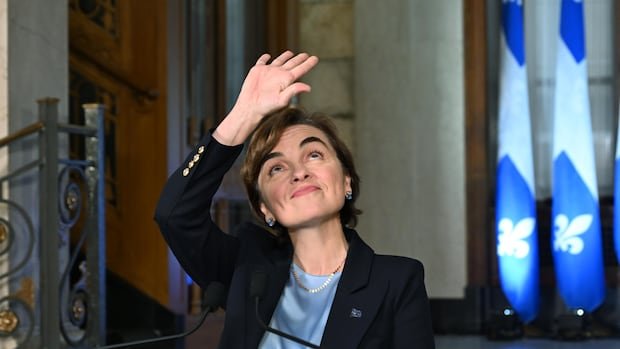
Following the recent election, Christine Fréchette stepped down as the party’s leader. Despite garnering over 572,000 votes, the CAQ failed to secure any seats in the National Assembly, marking a significant setback for the party that aimed to provide an alternative to sovereignty and federalism.
With the Parti Québécois forming a minority government with 59 out of 127 seats, the CAQ is now at a crossroads, exploring its options for moving forward after a significant electoral defeat.
The immediate focus for the CAQ is to appoint an interim leader, according to Brigitte Legault, the party’s executive director. The selection process is scheduled for October 17, with the appointed leader tasked with overseeing the organization of the party’s next leadership race, although a specific timeline has not been set.
Several party members have expressed interest in leading the CAQ and revitalizing its political standing. While names have not been disclosed, there is a notable level of enthusiasm among former candidates and party supporters to contribute to the party’s revival efforts.
Regarding speculations about a potential merger with another political entity, such as the Conservative Party of Quebec, Legault emphasized that such discussions are premature. She underscored the CAQ’s established identity and historical presence in government, suggesting a renewed push to revitalize the party rather than considering a merger.
Ian Lafrenière, a long-serving CAQ minister who was unsuccessful in the recent election, stressed the importance of reconnecting with voters and reflecting on the party’s strategies to regain public support. Despite the electoral setback, he remains optimistic about the party’s prospects moving forward.
Financially, the CAQ stands to receive an estimated annual allowance of $1.7 million under Quebec’s electoral laws, based on its share of the vote in the latest election, even without representation in the National Assembly. The party also has the opportunity to seek reimbursement for campaign expenses, although it fell short of the required vote threshold in several ridings.
As the CAQ navigates the aftermath of the election defeat, the focus remains on regrouping, engaging with members, and planning for the future under new leadership.

