
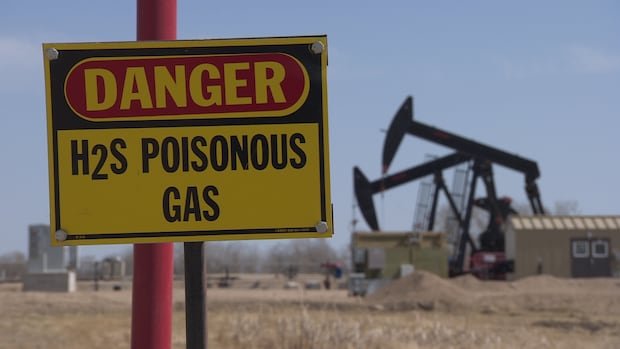
A legal dispute concerning a 730-meter section of hydrogen sulfide pipeline running through Alberta’s Industrial Heartland has advanced to the province’s highest court. The recent court ruling, issued in late September, outlines a longstanding regulatory conflict involving a sour gas pipeline operated by Chemtrade Logistics Inc. that traverses Fort Saskatchewan and its industrial zones.
Over the years, developers and urban planners in Fort Saskatchewan worked near the sour gas pipeline without restrictions. However, in 2019, a 1.5-kilometer buffer zone was quietly imposed, curtailing development on adjacent commercial and municipal properties. Despite this, a subsequent regulatory inspection revealed that the city and affected landowners were unaware of the newly enforced setback rules surrounding the pipeline.
Subsequently, the legal battle escalated to the Court of Appeal of Alberta, granting industrial real estate development entities Fort Industrial Estates Ltd., Heartland Center I Ltd., and Heartland Center II Ltd. permission to challenge two decisions made by the Alberta Energy Regulator (AER) allowing the uninterrupted operation of the sour gas pipeline by Chemtrade.
The City of Fort Saskatchewan was also granted intervener status in the upcoming appeal against Chemtrade and the AER. Both the city and Fort Industrial contended that Chemtrade’s activities impeded their land development rights, with regulatory setbacks limiting development opportunities without prior notification or consultation.
In a written decision permitting the appeal, Justice Jo’Anne Strekaf of the Court of Appeal of Alberta emphasized the significant questions raised regarding Alberta’s regulatory framework and the protection of landowner rights. The case questions whether the AER violated its policies by failing to provide affected parties with a meaningful opportunity to challenge regulatory approvals not aligned with its guidelines.
The core of the appeal revolves around mandatory consultation requirements for energy operators in Alberta regulations and the development setbacks enforced by the AER to safeguard individuals near sour gas pipelines from potential hydrogen sulfide leaks, a hazardous gas.
The dispute originated from an approval granted in April 2019 that allowed Chemtrade to modify its pipeline license for the sour gas line, reclassifying it as a Level 4 line with an expanded 1.5-kilometer development setback. Allegedly, mandatory consultations were claimed to have been conducted before the application was submitted.
Subsequently, Fort Industrial and the City of Fort Saskatchewan discovered the unexpected development restrictions in mid-2022, triggering a formal request for regulatory appeal and reconsideration from the AER. Despite an AER audit confirming non-compliance by Chemtrade, the regulator instructed the company to reapply with corrected figures instead of revoking the license.
Even though the hazard zone was reduced from 1.5 kilometers to 500 meters, conflicts persisted as Chemtrade opposed surrounding construction proposals. Municipal officials raised concerns over the pipeline modifications impacting existing infrastructure and planned urban development, highlighting the lack of municipal input in altering local planning regulations.
Following the appeal approval, city officials refrained from further comments, while Chemtrade emphasized the importance of adhering to regulatory setbacks for the safety of its operations and neighbors. The company asserted its commitment to stakeholder engagement but refrained from elaborating due to the ongoing legal proceedings. Both Chemtrade and the AER declined to comment on the matter citing the active legal actions.

