
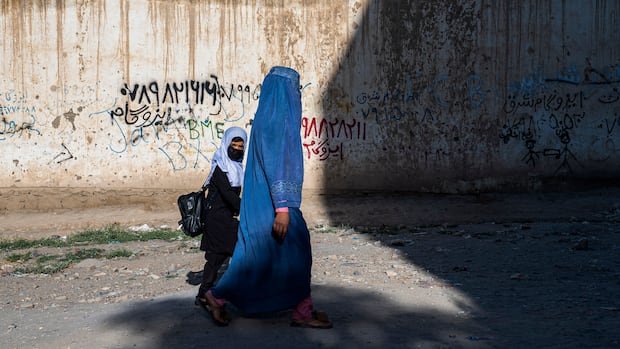
In Kabul, a young woman shared her perspective on life in Afghanistan five years after the return of Taliban rule in August 2021 following the exit of U.S.-led NATO troops. She highlighted the oppressive restrictions imposed by the Islamic Emirate of Afghanistan, affecting approximately 22 million women and girls who have seen their rights eroded progressively. The woman expressed how the bans on education, movement, employment, and other activities made daily life feel like needing permission just to breathe.
Referring to her as X for anonymity, the woman revealed the challenges faced by Afghan women under the Taliban’s strict edicts, which limit their freedom of movement, access to public spaces, and opportunities for education and employment. A recent report by UN Women highlighted the severe restrictions Afghan women endure, with many confined to their homes due to fear and limitations imposed by the Taliban.
Despite her efforts and previous work with Canadian-funded projects in Afghanistan, X faced hurdles in seeking safety through Canada’s Special Immigration Measures Program (SIMs) introduced in 2021. Although endorsed by Global Affairs Canada, she never received an invitation to apply, leaving her in limbo. The lack of response from authorities added to her frustration and sense of abandonment, mirroring the experiences of many Afghans left behind post-Western withdrawal.
X’s struggles with the immigration process reflect a larger issue of lost applications and bureaucratic inefficiencies, as highlighted by allegations of misplaced SIMs applications by government officials and individuals. The uncertainty surrounding her future and the dashed hopes of immigrating to Canada have taken a toll on X, leading to feelings of depression and a longing for support and security in a challenging environment.
Despite these challenges, X maintains a sense of resilience, leveraging her access to the internet and continuing her studies online. Her decision to marry, driven by a desire for security and support in the absence of her brother and ailing father, reflects the complex choices Afghan women face in navigating life under Taliban rule. While she holds onto hope for a better future, the uncertainties surrounding her immigration status and the lack of clarity on the processing of existing applications remain a source of anxiety and distress.
In a heartfelt plea to Canadian authorities, X urged for a reconsideration of her case and the cases of others who served alongside Canadian initiatives in Afghanistan, emphasizing the urgent need for support and inclusion in resettlement efforts. Her call for recognition and assistance echoes the voices of many Afghan women struggling under oppressive conditions, hoping for a brighter and more secure future beyond the confines of their current reality.

