
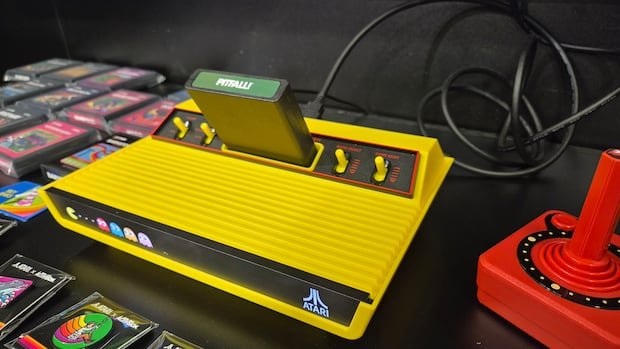
At the recent Gamescom event in Germany, Atari Interactive revealed a partnership with Activision to reintroduce 39 classic games from the early years of Activision on physical cartridges. These include popular titles like Pitfall, River Raid, and Megamania. These games are playable on the Atari 2600+, a modern version of the original 2600 console from 1977. The updated console supports wireless controllers and can be connected to contemporary TVs via HDMI.
Launched in 2023, the 2600+ also supports reissues of beloved games such as Pac-Man, Galaga, and Dig Dug. It is compatible with original cartridges from the Atari 2600 and 7800 systems, allowing users to enjoy their vintage games if they unearth them from storage. Furthermore, the newly released versions are backward compatible, enabling play on the original consoles for those who still have them.
Digital Eclipse’s studio head, Mike Mika, highlighted the perpetual appeal of these games, noting that players who owned them in the past are still interested in reliving the nostalgia. The collaboration with Activision holds sentimental value as it marks a reunion after more than four decades since the formation of Activision by former Atari programmers dissatisfied with the company’s developer policies.
Atari’s journey has been marked by various ownership changes over the years, leading to its current status under Luxembourg-based Atari SA. In recent times, the brand’s focus has shifted towards retro gaming, distancing itself from previous ventures like gambling and blockchain initiatives. Atari’s strategic shift has involved acquisitions of studios like Nightdive Studios and Digital Eclipse, alongside the launch of the Atari 2600+ console and other hardware offerings.
The revitalization of the Atari brand has aimed at regaining the trust and interest of retro gaming enthusiasts, some of whom have been dedicated fans since the 1980s. Notable efforts include collaborating with original Atari artists, like Hiro Kimura, to create new artwork for game re-releases, as well as developing projects like the Atari 50 compilation and documentary by Digital Eclipse.
In an era where digital downloads dominate the gaming industry, Atari’s emphasis on physical media and the nostalgic appeal of old-school gaming experiences resonates with a niche audience. The resurgence of interest in physical games and hardware is evident, especially amidst concerns raised by gamers over the shift towards digital-only releases by major companies like Sony.
As attitudes towards physical media evolve, Atari’s dedication to preserving the authenticity of classic gaming experiences through physical cartridges, box art, and additional collectibles reflects a growing trend towards appreciating tangible forms of entertainment, resonating even with younger generations who value physical artifacts like vinyl records.

