
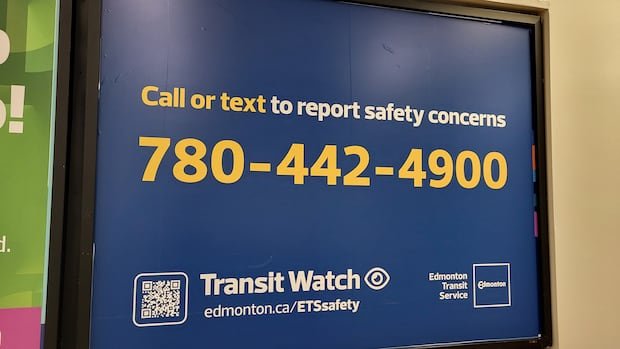
An incident occurred on the morning of Monday, March 2, when a passenger on the Edmonton transit system was physically attacked while passing through Churchill Station en route to the Valley Line LRT. The assaulted rider later informed Transit Watch, Edmonton Transit Services’ safety reporting line, that they had been punched in the face. The rider explained that they had delayed reporting the incident as they just wanted to leave the area and return home swiftly.
On the same day, numerous reports were received by Transit Watch regarding various safety concerns, including harassment, open drug usage, drug transactions, setting fires at a bus stop, and an individual brandishing a flame lighter inside a transit center. Despite ongoing efforts by the City of Edmonton to enhance public transit safety by increasing the presence of peace and police officers, expanding outreach teams, and investing more in cleaning and security enhancements, text messages sent to the reporting line in one month earlier this year indicated persistent worries among riders about safety within the system.
Reports highlighted drug-related issues as a primary concern, with many texts mentioning instances of drug use and smoking at LRT stations, bus stops, and pedways. Passengers expressed frustration at being regularly exposed to illegal drugs and individuals under the influence, with some riders witnessing drug consumption of substances like meth, crack, and fentanyl on transit premises. Incidents of harassment, verbal abuse, and antisemitic remarks by drugged individuals were also reported.
Additional concerns raised by riders included witnessing drug transactions, encountering drug paraphernalia, and observing disruptive behaviors such as public urination and aggressive behavior. One texter shared the unsettling experience of finding a used condom in a ticket machine at Davies Transit Centre, highlighting potential safety risks associated with such discoveries. Other reported incidents included blood spills, fires, vandalism, assaults, and threats within various transit locations.
Katarina Hamilton, a frequent transit user, disclosed that she contacts Transit Watch approximately once a month and frequently witnesses disruptive activities, especially during late hours. She recalled an incident from a year ago where a violent altercation involving weapons occurred at Central Station, prompting her to report the incident to authorities due to concerns for her safety and that of nearby children.
Despite efforts to address safety concerns, a survey conducted by ETS revealed that the percentage of transit riders feeling safe during their trips remained consistent at 61% in 2025, compared to the previous year. Carrie Hotton-MacDonald, ETS’s branch manager, acknowledged the complexity of influencing safety perceptions and noted an increase in texts to Transit Watch during colder months. Police data indicated a rise in calls to respond to violent incidents at LRT and transit centers from 292 times in 2024 to 307 times in 2025.
In response to ongoing safety challenges, ETS is implementing various measures to enhance rider safety, including the deployment of additional peace officers and community outreach teams. Initiatives such as providing cellular connectivity in LRT tunnels, enhancing rider engagement, and infrastructure upgrades are aimed at improving safety perceptions. City council members have emphasized the importance of addressing root causes of social disorder and supporting initiatives like safety attendants to mitigate safety risks.
Cooperating with other agencies and stakeholders is crucial in addressing the complex issue of drug use on public transit. While cities like Edmonton have taken steps to bolster security measures, sustained support and collaborative efforts are essential for long-term solutions. Transit safety experts advocate for continued investments in enforcement, outreach programs, and infrastructure enhancements to ensure a safer and more secure public transportation environment.

