
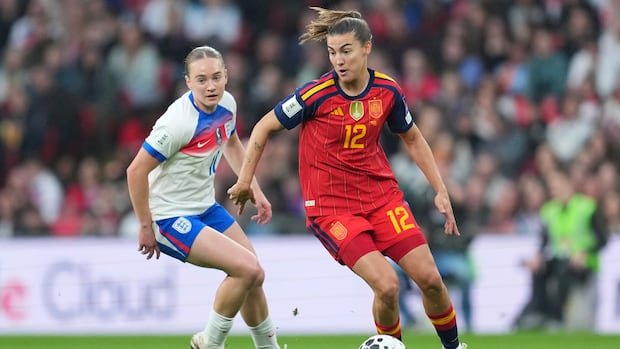
Professional sporting bodies are contemplating the idea of supporting female athletes in preserving their fertility by encouraging them to freeze their eggs. The Royal Spanish Football Federation (RFEF) recently announced its decision to cover the expenses of egg-freezing treatment for all international players who have been called up at least twice. This move aims to alleviate the pressure on female athletes who often feel conflicted between their athletic careers and personal aspirations.
The intersection of peak athletic performance and fertility has long posed a challenge for female athletes, forcing them to make difficult choices. Various soccer teams and federations, including the National Women’s Soccer League and Chelsea FC women’s team, have introduced similar fertility support programs. While egg freezing is seen as a means to empower women in sports to make informed decisions about motherhood, concerns linger about reinforcing the notion that women should delay starting families until retirement.
Jill Moffatt, a two-time Olympic rower and advocate for athlete mothers, views these fertility initiatives as positive steps for female athletes. However, Moffatt emphasizes the importance of offering comprehensive support, such as maternity leave and childcare options, to athletes balancing motherhood and competitive sports. She underscores the need for inclusive measures that cater to the diverse needs of athletes, including those from the 2SLGBTQ+ community who may require fertility treatments regardless of their athletic career stage.
The medical and ethical implications of egg freezing also warrant attention. While these initiatives provide athletes with choices, medical experts caution that the process involves complexities and uncertainties. Dr. Lamia Zafrani highlights the ethical considerations surrounding organizations offering fertility preservation options, raising concerns about the underlying message it conveys to players. Moffatt stresses the necessity of supporting pregnant and postpartum athletes with tailored resources and accommodations to ensure their well-being and advancement in sports.
Ultimately, the evolving landscape of fertility support in sports underscores the importance of empowering female athletes to make informed choices about their reproductive health while navigating the demands of their athletic careers. As the conversation progresses, it becomes evident that true autonomy for athletes lies in recognizing and accommodating the diverse timelines and challenges they face in balancing sports and motherhood.

