
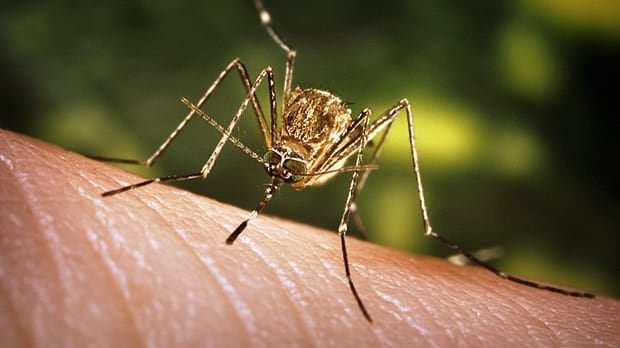
The Waterloo region has confirmed its first human case of West Nile virus in 2026, as reported by public health officials on October 2. Despite the cooler temperatures, residents are advised to remain vigilant against mosquito bites until the arrival of the first frost, according to Dr. Rabia Bana, the associate medical officer of health.
Dr. Bana highlighted that current temperatures have not yet hindered mosquito activity, emphasizing the importance of taking preventive measures while outdoors and eliminating any standing water on properties to reduce mosquito breeding.
While most individuals infected with the virus may not display symptoms, those who do typically experience them between two to 15 days after being bitten by an infected mosquito. Symptoms may include mild fever, headache, muscle aches, stiff neck, swollen glands, and skin rash, with severe symptoms affecting less than one percent of cases. Public health advises seeking medical attention if severe symptoms develop.
To safeguard against mosquitoes, residents are encouraged to:
– Install window screens.
– Wear light-colored clothing, long sleeves, pants, hats, and socks.
– Use insect repellent containing DEET or icaridin.
– Avoid outdoor activities during dawn and dusk when mosquitoes are most active.
– Remove standing water and clear brush and debris to eliminate mosquito breeding sites.
Furthermore, public health cautions against handling sick or dead birds, as they can potentially carry the virus. In the previous year, three human cases of West Nile virus were reported in the Waterloo region in 2025.

