
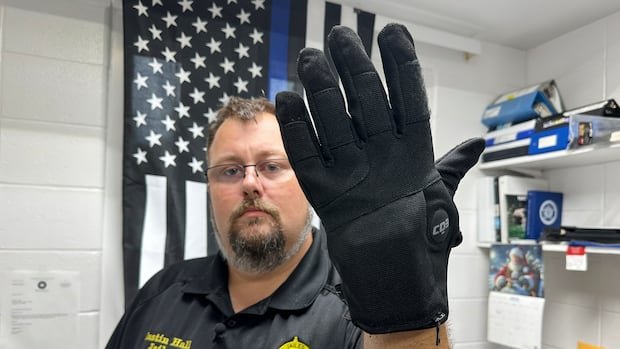
The U.S. Immigration and Customs Enforcement (ICE) has approved a $16.7 million contract to procure 6,000 pairs of gloves capable of administering electric shocks. These gloves are intended for use by ICE officers to manage detainees and demonstrators who resist. Despite objections from civil rights advocates and Democratic lawmakers, ICE proceeded with the purchase, citing the necessity for these “conductive distraction and de-escalation devices.”
The contract, which was awarded to Compliant Technologies LLC, a Kentucky-based company, includes the acquisition of 6,000 such devices and related equipment and services over the next half-year. Critics have raised concerns about the potential misuse of these gloves by ICE officers, who have faced previous criticism for their use of force during enforcement actions under the Trump administration.
Recent incidents involving ICE and Customs and Border Protection (CBP) have resulted in fatalities, prompting calls for reform within the agency. ICE’s enforcement tactics have come under scrutiny, particularly following high-profile incidents like the shooting deaths of American citizens Renee Good and Alex Pretti. While ICE has emphasized targeting violent criminals for deportation, data from recent operations indicate that a significant portion of those arrested had no prior criminal convictions.
A group of Democratic senators, led by Catherine Cortez Masto of Nevada, urged ICE to reconsider the purchase of the electric shock gloves. The senators expressed doubts about ICE’s ability to use these devices responsibly, citing instances of excessive force in various locations across the country. ICE defended its decision, stating that the gloves would be deployed in situations of resistance or tension to prevent injuries and maintain control.
The gloves, which appear as regular patrol gloves, can deliver electric shocks upon activation by the officer. ICE plans to deploy them in scenarios requiring quick control over individuals who resist arrest, pose a threat, or engage in civil disturbances outside detention facilities. The agency asserts that these devices will aid in managing detainees, preventing aggression, and facilitating crowd control, thereby reducing the need for more severe forms of force like firearms.
In response to criticisms, the Department of Homeland Security, ICE’s parent agency, rebuked detractors, characterizing the purchase as essential for officer safety. The acquisition of these gloves marks the latest in a series of no-bid contracts issued by the Trump administration, a practice that has drawn scrutiny from Democratic lawmakers. Similar contracts have been awarded for various government purchases, including aircraft and detention facilities, sparking debates about transparency and accountability in government procurement processes.

