
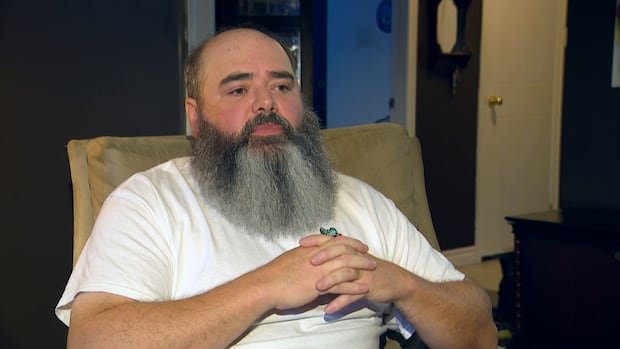
Martin Boutilier, who suffered a workplace injury resulting in chronic pain and nerve damage over three years ago, is eager to resume his duties. Despite medical clearance for a gradual return to work, the Halifax Regional Centre for Education (HRCE) has declined to adjust his hours or responsibilities to aid his reintegration. Boutilier, an Educational Program Assistant (EPA) since 2021, sustained the injury in April 2023 while assisting a student onto a wheelchair, leading to a herniated disc diagnosis. He has been on leave since then and receives partial compensation.
Boutilier highlights the HRCE’s failure to adhere to safety policies requiring two EPAs for outdoor student supervision. He notes inadequate training on assisting students physically, which he believes contributed to his injury. Following surgery to address the herniated disc, he continues to struggle with permanent nerve damage, numbness, mobility limitations, and pain. An occupational therapist’s assessment recommended accommodations to enable him to work a full shift, focusing on avoiding strenuous activities.
Despite proposing adjusted work conditions to HRCE multiple times, Boutilier’s requests for a shorter workday or modified duties have been rebuffed, citing undue hardship. While HRCE did not comment directly on Boutilier’s case due to privacy concerns, a spokesperson emphasized the organization’s commitment to aiding injured employees in their return to work within legal frameworks.
Duty to accommodate injured workers is a standard, according to employment lawyer Brian Wasyliw, who notes the complexity of balancing employee needs with employer limitations. Union president Shelley McNeil echoes Boutilier’s challenges, citing common workplace injuries among HRCE staff and emphasizing the need for improved training and staffing levels. The ongoing contract negotiations between the union and HRCE underscore broader concerns regarding workplace safety and employee support.
With an arbitration date set for February to discuss his return-to-work plan, Boutilier remains uncertain about his future. He voices frustration over the perceived impediments to his reintegration, emphasizing the ethical and logical inconsistencies in his treatment post-injury. The case reflects broader issues within the education sector regarding employee welfare, training adequacy, and safety protocols.

