
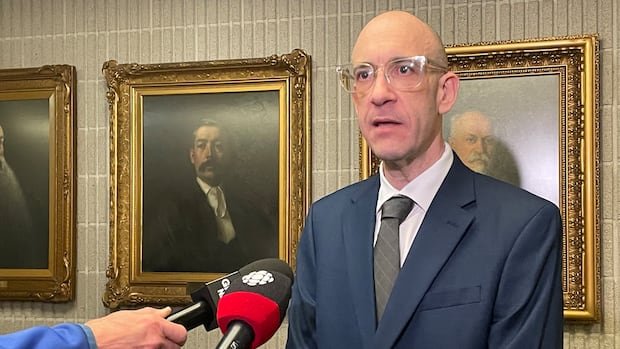
In a recent hearing, a constitutional expert contended that laws enacted by the future Quebec legislature would lack legitimacy if a majority of MNAs declined to take the Oath of Allegiance. Lawrence David, the founder of the Public Interest Litigation Institute (PILI), raised concerns that Quebec’s Bill 4, which eliminated the requirement to swear allegiance to the King, could render MNAs’ presence in the National Assembly unlawful. According to David, politicians who abstain from taking the oath are not authorized to participate in parliamentary activities or vote on bills.
David and PILI are currently pursuing a legal challenge to have Bill 4, unanimously approved in 2022, deemed unconstitutional. They are also seeking a court order to compel MNAs to take the oath before the anticipated reconvening of the National Assembly on Nov. 17, a date that Quebec’s lawyers are considering extending to Nov. 24.
Nearly 100 MNAs who were recently sworn in all rejected the oath. Additionally, Paul St-Pierre Plamondon, the incoming premier, has requested that the lieutenant-governor, a representative of the monarchy, not oversee the swearing-in ceremony of his cabinet scheduled for Wednesday. David argues that these recent events, along with St-Pierre Plamondon’s intentions to sever ties with the monarchy, undermine the status and role of the King, potentially leading to disrespect for the monarch’s authority and legitimacy.
Failure to uphold the oath could impact the lieutenant-governor’s ability to provide royal assent, the final approval necessary for bills to become law. David emphasized that the court challenge does not revolve around monarchy versus republicanism but rather centers on upholding constitutional respect.
Meanwhile, lawyers representing the Attorney General of Quebec have suggested that there is no immediate urgency to address the constitutionality of Bill 4 prior to the National Assembly’s session. They pointed out that the law has been operational since 2022, enabling the legislature to function and pass laws smoothly. Ultimately, Judge Demers will review the arguments presented and issue a decision before the upcoming session begins.

