
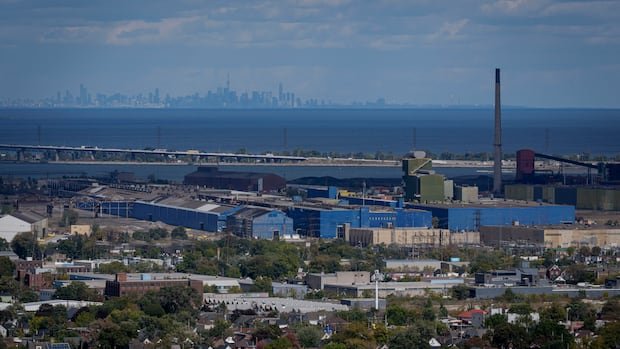
Amid increasing layoff notifications to Hamilton steel workers at the Stelco plant, a legal expert is suggesting the potential option of nationalization, where the federal government could assume control of the company. Nicolas Lamp, an associate professor at Queens University, raised concerns about whether Stelco is prioritizing the welfare of its Canadian employees or aligning its actions with the U.S. trade war against Canada.
Lamp highlighted a conflict of interest, particularly regarding the CEO’s ties to U.S. operations benefiting from tariffs, casting doubt on Stelco’s decisions. Considering the current uncertainty and lack of trust in the CEO, Lamp proposed nationalization as a viable alternative for the company.
He emphasized the importance of Ottawa intervening before skilled workers in the steel industry face displacement, noting that once individuals leave or transition to new roles, reversing layoffs becomes challenging. Lamp stressed the significance of preserving expertise, especially as Canada embarks on significant infrastructure projects.
The ongoing layoffs at Stelco’s Hamilton plant are projected to affect approximately 300 to 350 employees. Ron Wells, president of United Steelworkers Local 1005, expressed openness to the idea of nationalization, drawing parallels to successful Crown corporations like CN and Canada Post.
The conversation around nationalization comes as Ottawa issues a legal ultimatum to Cleveland-Cliffs, the company that acquired Stelco in 2024. Industry Minister Mélanie Joly has given Cleveland-Cliffs a five-day window to present a plan ensuring the retention of Canadian jobs as per the Investment Canada Act.
Prime Minister Mark Carney hinted at potential nationalization if Cleveland-Cliffs fails to reverse the layoffs, awaiting the company’s response before taking further action. NDP MP Don Davies echoed the sentiment, viewing steel as crucial for Canada’s sovereignty and backing the exploration of nationalization.
Lamp outlined the possibility of government ownership of Stelco arising from Ottawa’s legal stance against Cleveland-Cliffs, pointing to the option of court-ordered divestiture if necessary. He cited the federal government’s acquisition of the Trans Mountain pipeline as a precedent for acquiring critical infrastructure from private entities.
Despite Cleveland-Cliffs justifying layoffs as essential for the company’s survival in a challenging market, Wells suspected political motives behind the actions. He believed the CEO’s statements aimed at influencing a trade deal, though he remained optimistic about job restoration in Hamilton.
Lamp cautioned against making irreversible decisions regarding industry talent amid exceptional circumstances, emphasizing the need for government intervention to prevent long-term implications on Canadian steel capacity.
The evolving situation underscores the complexities surrounding Stelco’s future and the potential ramifications of nationalization in addressing the current challenges faced by the steel industry.

