
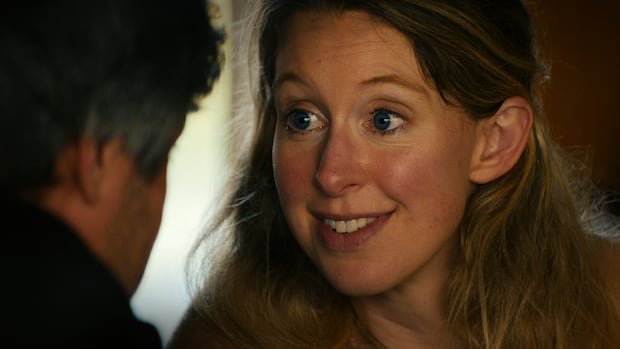
Fans of the innovative comedian and performance artist Nathan Fielder may have a better sense of what to expect from his latest documentary, “You Can See Everything,” given his unconventional approach in past projects like “Nathan for You.” In this documentary, Fielder delves into the life of Elizabeth Holmes, the disgraced founder of Theranos, as she prepares to serve an 11-year sentence for defrauding investors.
The film captures the intense interactions between Fielder and Holmes, offering a glimpse into her motivations and actions. “You Can See Everything” aims to present a comprehensive view of a person while highlighting the enigmatic nature of human behavior. Through captivating visuals and peculiar scenarios, the documentary challenges traditional storytelling norms.
Rather than providing groundbreaking revelations about Holmes’ past, the documentary focuses on the complexities of her character and the perceptions surrounding her. Fielder and his co-director emphasize the unpredictability of the narrative, introducing unexpected elements that defy conventional documentary conventions.
As Fielder navigates Holmes and her partner’s unconventional lifestyle, the film raises thought-provoking questions about truth, objectivity, and the blurred lines between reality and entertainment. The documentary evolves into a meta-commentary on the nature of storytelling and the pursuit of authenticity in filmmaking, pushing boundaries and challenging viewers’ perceptions.
In its exploration of Holmes’ persona and Fielder’s investigative process, “You Can See Everything” transcends traditional documentary filmmaking, offering a unique and immersive viewing experience that defies categorization. Through its unconventional approach, the documentary prompts reflection on the essence of truth and the intricacies of human nature.

