
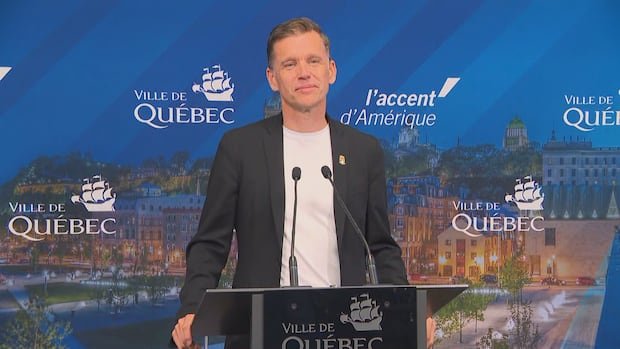
Quebec City Mayor Bruno Marchand expressed satisfaction with the outcome of Monday’s election, despite the absence of any MNAs from the region in the Parti Québécois’ new minority government. Marchand highlighted the significance of the capital region being distanced from the government for the first time in approximately a century.
Describing Quebec City as a “political island” in comparison to Montreal, which saw minimal PQ success during the Coalition Avenir Québec’s tenure, Marchand emphasized the need for the capital region’s voice to be represented in the new government. Although the PQ garnered 23% of the vote in the region, they did not secure any seats in the legislature, relying on support from other areas to secure their victory.
The Conservative Party of Quebec (PCQ), led by Éric Duhaime, dominated in Quebec City, capturing 15 out of 18 seats. The Liberals secured one seat, defeating the lone PQ MNA, while Québec Solidaire held onto their two seats.
Premier-designate St-Pierre Plamondon acknowledged the unique circumstances of the election, pledging to ensure the national capital is not overlooked in his government’s plans. However, Marchand’s relationship with Duhaime has been strained, particularly regarding public transit funding and the proposed third link project.
While Duhaime’s promises resonated with many voters in the capital region, including plans for a new bridge, tensions remain between him and Marchand, particularly concerning the tramway project. Despite their differences, both leaders express willingness to collaborate for the benefit of the region.
Marchand sees the change in government as an opportunity for progress, noting St-Pierre Plamondon’s commitment to reducing homelessness. He emphasizes the importance of having a leader with clear ambitions and looks forward to constructive engagement with the Conservative leader for the betterment of the community.

