
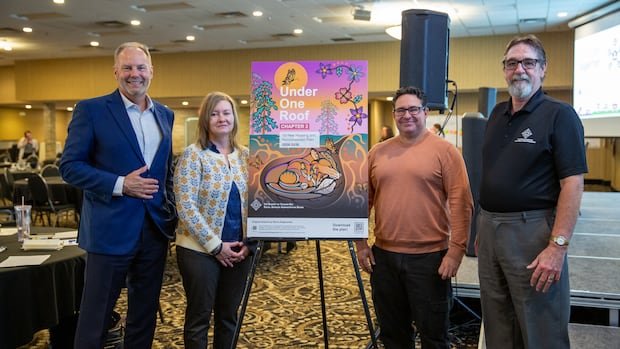
The District of Thunder Bay Social Services Administration Board (TBDSSAB) has unveiled its new 10-year housing and homelessness plan, emphasizing the necessity for additional transitional and supportive units. Released recently, the plan outlines strategies to address the housing needs of the community up to 2036, as mandated by the province for all service managers. This plan succeeds the previous one that spanned from 2014 to 2024.
Ken Ranta, CEO of TBDSSAB, highlighted that the comprehensive plan encompasses various stages of housing, from homelessness to private market housing. He emphasized the significance of transitional and supportive housing in providing integrated support to individuals, enabling them to stabilize and enhance their independence.
With approximately 1,400 individuals on the waiting list for social housing, TBDSSAB faces a pressing demand. The city’s latest count identified 652 people experiencing homelessness, a figure that advocacy groups believe could be significantly higher. The city council declared homelessness a humanitarian crisis earlier in the year.
The new plan, referred to as “Chapter 2,” expands on the foundations laid by the previous strategy, incorporating deeper insights and opportunities for progress. TBDSSAB engaged OrgCode Consulting to evaluate the district’s homelessness system and has committed to pursuing 54 goals, including emergency shelters, transitional housing, encampment response, community housing, and advocacy efforts.
Crystal Simeoni, TBDSSAB’s Director of Integrated Social Services, highlighted the importance of understanding the housing needs, particularly in terms of rent-geared-to-income houses, bridge housing, and supportive housing. The plan was presented at a Homelessness Service System Forum to engage community partners and social service agencies.
Acknowledging the evolving landscape since the implementation of the 2014 plan, Ranta noted the challenges posed by escalating home construction costs and rising rents. Despite the surge in homelessness, there are now more shelter and outreach services available than before. The new plan integrates feedback from individuals with lived experiences of homelessness, emphasizing the need for personalized, participative services.
A key focus of the plan is collaboration among community partners to address diverse housing demands across the district. By fostering a unified approach and sharing initiatives with all stakeholders, TBDSSAB aims to enhance community supports and strengthen organizational coordination.

