
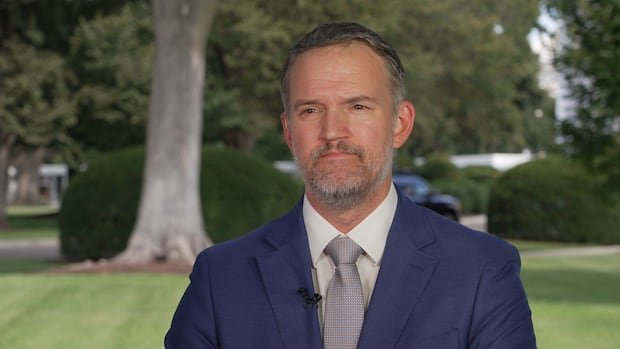
The chief trade negotiator of the Trump administration refuted Ottawa’s claim that sudden demands from the U.S. caused the collapse of a trade agreement with Canada. Instead, U.S. Trade Representative Jamieson Greer stated that concerns raised by Canadian negotiators about the deal’s “implementation” led to the deal being called off.
During an interview with CBC News, Greer mentioned that the Canadian side presented new requests upon Canada-U.S. Trade Minister Dominic LeBlanc’s return from Ottawa following the tentative agreement on August 18. Greer emphasized that the deal offered to Canada was one of the best available globally, but the additional requests made by the Canadian side were deemed excessive by the United States.
Regarding future negotiations, Greer indicated uncertainty about when discussions might resume between the two countries. He confirmed that there was no ongoing communication between himself and LeBlanc as of Wednesday.
Differences between the two countries emerged regarding the breakdown of negotiations, with Prime Minister Mark Carney suggesting that last-minute alterations by the U.S. disrupted the potential agreement. The White House, however, asserted that Canada rejected a deal that included reductions in tariffs on various goods such as steel, aluminum, lumber, and Canadian-made vehicles.
Addressing potential retaliation, Greer did not rule out the possibility of further responses from the U.S. in reaction to Canada’s announcement of counter-tariffs on American products. He emphasized the need for cooperation and expressed disappointment over the current situation.
The disagreement extended to various aspects of the proposed deal, such as tariffs on steel and Canadian-made vehicles. Greer clarified that the White House did not seek influence over Canada’s trade agreements with other nations but aimed for cooperation on a bilateral basis.
Regarding French language protections and streaming content, Greer assured that these issues were acknowledged but not deal-breakers in the negotiations. The recent escalation in measures and rhetoric from both sides marked a shift from the previous amicable tone, leading to the suspension of talks.
Despite the setback, Carney expressed willingness to return to negotiations with a positive attitude from the American side. He emphasized the importance of an economically viable deal for Canada’s interests and indicated a shift towards strengthening trade relationships with other countries.
Carney affirmed the government’s commitment to pursuing a resilient economy and diversifying trade partnerships to reduce dependence on the United States. He highlighted the government’s readiness to endure the consequences of a prolonged trade dispute rather than accept unfavorable terms proposed by the White House.

