
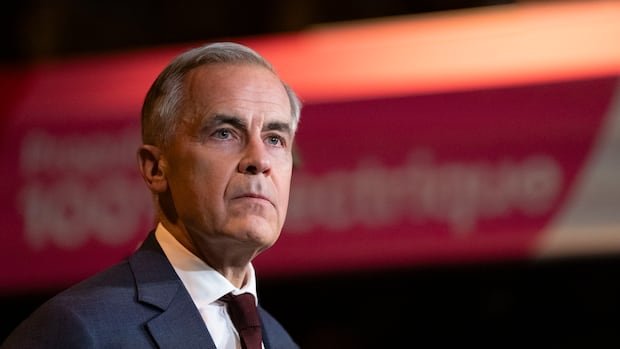
The Trump administration has implemented a fresh set of tariffs on Canadian goods worth billions of dollars after trade negotiations between the two countries failed to reach a satisfactory agreement. Prime Minister Mark Carney announced that Canada would retaliate by imposing equivalent tariffs following the White House’s decision to enforce steep 50 percent tariffs on a wide array of products. Despite close efforts to finalize a deal in recent days, Carney stated that Ottawa could not accept the final terms presented.
The Prime Minister declared the suspension of trade talks with the U.S. and instructed Canadian negotiators to return to Ottawa. He expressed disappointment over last-minute changes in the proposed terms by the U.S., which he deemed unfair and economically unsound, casting doubt on the credibility of any potential agreement. U.S. President Donald Trump refrained from immediate comment on the matter.
In response, U.S. Trade Representative Jamieson Greer attributed the breakdown of talks to Canada’s refusal to accept the terms previously agreed upon by the administration. Greer criticized Canada for introducing new demands and retracting commitments, disrupting the delicate balance reached in the negotiations. He also highlighted Canada’s ongoing retaliatory measures against the U.S., including bans on specific American goods and services.
The imposition of new American tariffs and Canada’s pledge to reciprocate mark a significant escalation in the trade dispute between the two nations, once considered strong trading allies. Canadian Trade Minister Dominic LeBlanc engaged in discussions with Greer throughout the week in Washington, D.C., aiming to secure a deal before the Friday deadline set by the administration.
While details of the potential agreement remained undisclosed, sources indicated that the deal would have alleviated sectoral tariffs that had severely impacted Canadian industries like aluminum, steel, and automobiles. In return, Carney urged Canadian provincial leaders to consider lifting bans on American alcohol.
The introduction of the new tariffs underscores the escalating tensions between Canada and the U.S., with businesses on both sides closely monitoring the situation. The Canadian Chamber of Commerce expressed concerns over the detrimental impact of the American tariffs on North American competitiveness, emphasizing the unsustainability of such high tariffs for businesses.
Under the revised tariff policy, a 50 percent tariff will be applied to various products exceeding $28 billion in value, including items ranging from plywood and cement to wine and hockey sticks. The Trump administration justified these actions as responses to Canada’s trade policies and alleged discrimination against American industries like dairy, alcohol, and automotive sectors.
The tariffs, authorized under Section 338 of the U.S. Tariff Act, represent a significant departure from previous tariff rates, with exemptions under the Canada-United States-Mexico Agreement no longer applicable for many products. Sectors such as electronics and plastics in Canada are expected to bear the brunt of these tariffs, impacting exports and trade relationships with the U.S.
Provinces like British Columbia and Quebec are forecasted to be disproportionately affected by the new import duties, with key industries facing heightened challenges due to the tariffs. The ongoing trade dispute signals a turbulent period in Canada-U.S. relations, with economic ramifications for both nations.

