
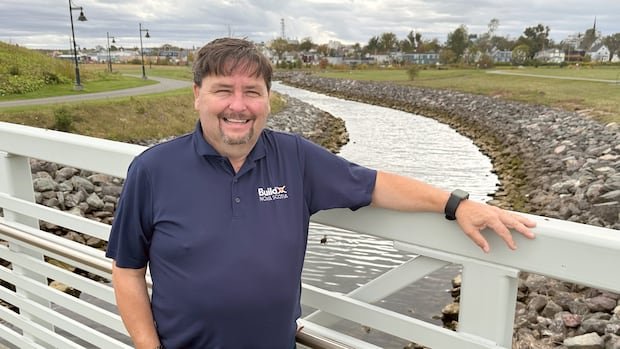
Fish populations are rebounding in the streams near the former tar ponds and coke ovens areas in Sydney, Nova Scotia, indicating a positive outcome following the extensive cleanup of over a century’s worth of industrial activities in Cape Breton. The $400 million remediation project was carried out by the Sydney Tar Ponds Agency, which later merged into Nova Scotia Lands and now operates under Build Nova Scotia, responsible for monitoring water quality in the streams flowing through the former industrial zones.
Donnie Burke, a senior director at the agency, expressed satisfaction with the results of an evaluation conducted by an independent engineering firm, indicating that the remediation efforts have been effective. He mentioned during a recent inspection that the current indications show stability or improvement, which is a promising development.
The remediation process involved covering the coke ovens ground with residual slag rock from the prior steel plant and encasing the once-infamous tar ponds, previously Canada’s most polluted waste site, in cement. Additionally, Coke Ovens Brook, Wash Brook, and Muggah Creek underwent cleanup, with adjacent areas landscaped to channel surface water into the streams. Groundwater from the coke ovens land is channeled to a treatment facility before reintroduction to the streams. Both locations were then layered with topsoil and grass.
The former tar ponds have been transformed into Open Hearth Park, featuring sports fields, a playground, walking paths, and open spaces. The coke ovens site now serves as an open field utilized for activities like cricket, walking, and snowmobiling in winter. Water testing confirms that the tar ponds cap is effectively containing toxins, while occasional spikes in heavy metals or industrial chemicals from the former coke ovens site are promptly addressed by the monitoring system and adjusted through water treatment procedures.
Ongoing monitoring, part of a 25-year commitment post-cleanup, reveals positive trends, according to Burke. Recent studies by Cape Breton University have observed the return of fish species to the streams, with trout eggs and fry spotted in Coke Ovens Brook. Dr. Katherine Jones, a CBU biologist, noted improvements in the health of mummichogs in the tar ponds following the cleanup, as displayed by the disappearance of previously observed symptoms.
Further research is planned to assess the impact of the remediated industrial areas on local fish populations, including DNA testing to determine the origin of the current fish inhabitants. Updates on the monitoring progress are regularly shared on Build Nova Scotia’s website, with approximately half of the monitoring period completed and showing positive signs of progress.

