
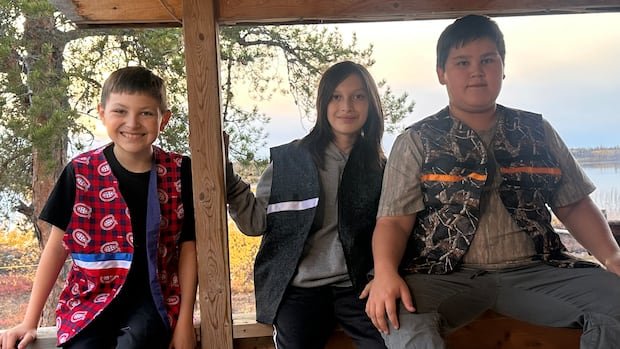
Venn Morin recalls his early hunting experiences at the age of about 12, emphasizing the importance of listening and minimizing noise. He recently organized a youth camp community hunt for youngsters aged 12 to 17 from Whitecap Dakota First Nation. Morin views this event as a significant step for Indigenous youth, marking a transition into hunting and skill development.
After a hiatus from hunting, Morin resumed the activity due to fatherhood, desiring to pass on essential skills to his two sons. He highlighted the mental health benefits of being outdoors and engaging in hunting activities. During the youth camp, Morin ensured the participants’ comfort with amenities like sleeping bags, campfires, and s’mores, aiming to reintroduce kids to wilderness living in a gentle manner.
Teaching traditional hunting practices to the next generation holds deep cultural significance for Morin, fostering a profound connection with nature, animals, and heritage. Keetah Montgrand, a land-based educator at Birch Narrows Dene Community School, runs a program for Grade 6 students to learn hunting skills from elders at a school cabin. The curriculum integrates land-based activities, such as moose hunting, fishing, and trapping, providing students with hands-on experience and a connection to their heritage.
Students, like Axel, express their enthusiasm for hunting at the cabin, highlighting the program’s impact on their education and cultural preservation efforts.

