
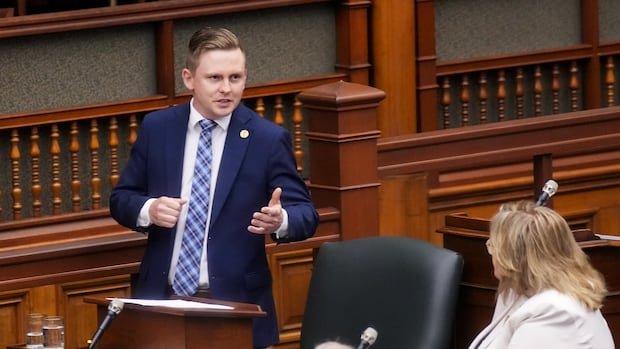
Ontario is aiming to streamline the process of obtaining archaeological approvals to facilitate the construction of homes and infrastructure. The province, under the leadership of Minister of Citizenship and Multiculturalism Graham McGregor, is proposing legislative changes to significantly reduce wait times by as much as 80% and enhance the capacity for building homes and infrastructure by 45%.
Minister McGregor highlighted that current archaeology assessments can be prolonged, sometimes taking years to complete for certain projects. With Ontario’s growth leading to an increased demand for new developments, McGregor emphasized the importance of creating a more efficient, transparent, and predictable archaeology system.
Previously, the province’s archaeological system relied on professional judgment and external expertise, but amendments made through Bill 5 in the Ontario Heritage Act last year shifted towards a model where elected officials could make pivotal heritage decisions behind closed doors.
The proposed changes include streamlining the approval process for low-risk, small-scale projects, introducing stricter oversight and accountability measures through enhanced enforcement approaches, such as guidance, training, inspections, and compliance orders. Additionally, the plan involves the development of advanced digital tools to replace outdated systems, paving the way for a more effective system.
The implementation of these changes will be carried out in phases, commencing in early 2027, as stated in a recent news release. The developments build upon previous initiatives by the Ministry of Citizenship and Multiculturalism earlier this year, with 80% of current archaeological approvals now moving through the system in as little as 10 days.
The proposed changes come after extensive consultations with Indigenous communities to ensure their input and considerations are incorporated into the process. Grand Council Chief Linda Debassige, who attended the news conference alongside McGregor, mentioned that the Anishinabek Nation signed a bilateral table agreement with the ministry, emphasizing the importance of avoiding past incidents like the Ipperwash crisis.
Debassige stressed the significance of supporting Ontarians who encounter archaeological findings while undertaking property projects, noting that assessments can be costly. McGregor clarified that financial aid for homeowners facing significant bills due to archaeological discoveries is not part of the proposed changes.
Ontario Home Builders’ Association CEO Scott Andison emphasized the necessity of cutting bureaucratic hurdles to reduce costs and expedite homebuilding processes while balancing Indigenous rights and heritage preservation. Paul Racher, a managing principal at Ontario’s first heritage consulting firm, Archaeological Research Associates Ltd., acknowledged that the system is not flawless but recognized the progress made by involving Indigenous communities in decision-making processes.
Overall, the proposed changes aim to modernize and expedite the archaeological approval process in Ontario while fostering collaboration with Indigenous communities and preserving historical heritage.

