
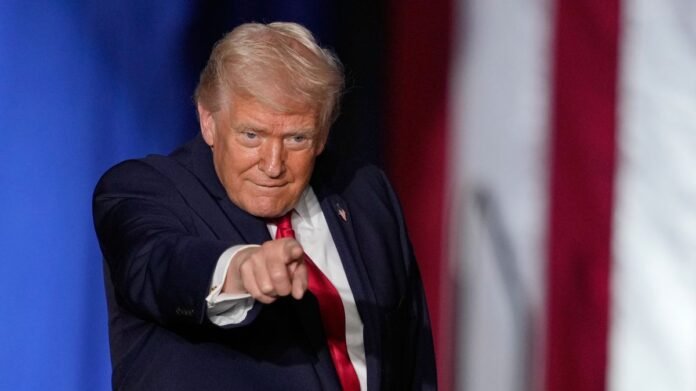
President Donald Trump is facing increasing challenges as his second term progresses. Therapists express worries about his unpredictable actions as new allegations surface, including a complaint accusing him of raping a 13-year-old girl in 1994. These claims, made under the pseudonym Jane Doe in 2016, describe instances of abuse by Trump, which he denies. The Department of Justice cautioned about potential fake submissions in the released documents related to this case.
Despite being known for divisive rhetoric, even Trump’s supporters are showing discontent. Promises of economic prosperity have not materialized, leading to frustrations over economic issues and criticism of ICE actions. Trump’s confrontational communication style, paired with allegations of narcissistic behavior, raises concerns among mental health professionals.
As Trump faces challenges to his authority, experts suggest he may respond with escalating rhetoric and punitive actions to maintain control. Recent incidents, such as confusion over international matters and concerns raised by foreign leaders about his psychological state, add to the uncertainty surrounding his leadership. Criticism from allies and public dissent could further destabilize his position, prompting defensive reactions rather than introspection.
Amid mounting pressure, Trump’s response is likely to be characterized by attempts to assert dominance and deflect accountability, rather than acknowledging mistakes. The psychology of narcissism plays a significant role in his behavior, potentially leading to increased aggression and authoritarian tendencies in the face of criticism. The potential consequences of Trump’s actions, both domestically and internationally, remain a point of concern.

