
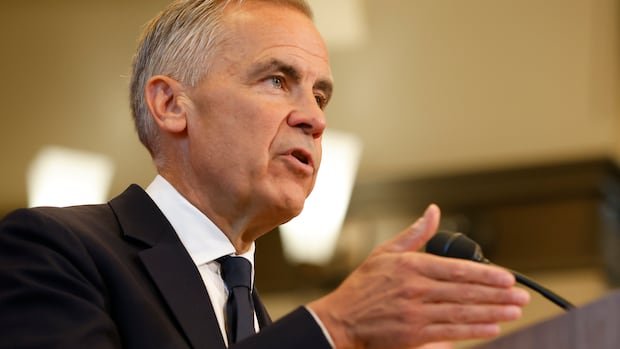
Prime Minister Mark Carney instructed his negotiators to withdraw from discussions following the unveiling of unacceptable demands by the Trump administration on cultural, automotive, and sovereignty matters. Carney criticized the U.S. for lacking interest in establishing a genuine economic partnership with Canada. He emphasized that the American requests were excessive and the offers inadequate, leading to the breakdown of negotiations.
Carney highlighted specific issues raised by the U.S., including objections to Canada’s support for French culture, French-language media presence online, and the requirement for bilingual product labels. He firmly stated that these demands were never on Canada’s agenda and were not acceptable to Canadians.
Regarding the automotive sector, Carney revealed that the U.S. sought unfair treatment for Canadian-made parts and wanted to exempt certain vehicles from tariffs without justification. These late demands, if accepted, would have negatively impacted vehicle production in Canada over time.
Ontario Premier Doug Ford supported Carney’s decision to halt negotiations, expressing confidence that Canada, being united and prepared, would prevail in a potential trade war with the U.S. Ford criticized the proposed deal as unfavorable for Ontario’s industries and the economy.
Carney criticized the U.S. team for attempting to undermine Canada’s sovereignty by introducing measures that would restrict Canada’s ability to engage in other trade agreements. He emphasized that such restrictions were unacceptable as Canada values free trade and is a preferred partner for many nations worldwide.
The breakdown in talks was attributed to the last-minute introduction of contentious issues by the U.S., derailing months of negotiations. Carney emphasized the importance of unity within the Canadian team, contrasting it with the disarray within the U.S. administration.
Conservative Leader Pierre Poilievre expressed disappointment over the imposition of tariffs by the U.S. and pledged support for actions to protect Canadian industries. He stressed the need to continue advocating for tariff-free trade and indicated a desire to collaborate with Carney on strategies to support workers and the economy.
Economist Trevor Tombe warned that the tariffs could lead to job losses across Canada, particularly affecting Ontario, Quebec, and British Columbia. The federal Liberal government estimated the impact of the tariffs on Canadian goods and jobs at stake. Carney reassured that support would be provided to affected businesses to mitigate the impact of the failed negotiations with the U.S. and the ensuing tariffs.

