
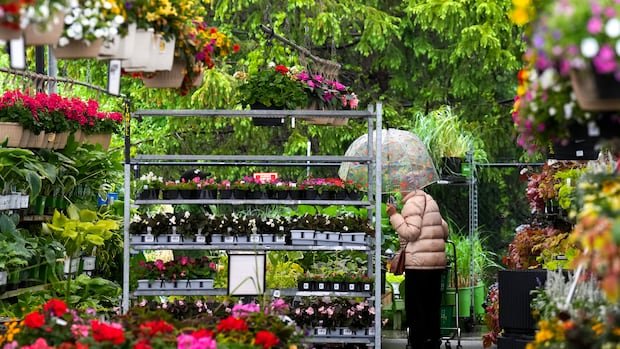
Canadian municipalities are taking action to prevent the sale of invasive plants in local garden centers, advocating for a unified national approach to regulate the horticultural trade. Invasive plants pose a threat to biodiversity nationwide, prompting cities to address gaps in the existing regulatory framework that varies by region. Canada aims to cut the rate of introduction and establishment of invasive species by at least 50% by 2030.
The Canadian Coalition for Invasive Plant Regulation (CCIPR) is urging the federal government to establish a regulatory body for the horticultural industry and develop a national database that identifies invasive plants and associated risks in different areas. CCIPR co-founder Cathy Kavassalis emphasized the importance of informing the public about potential harm posed by invasive plants, suggesting that similar consumer advisories exist for other products and should be extended to plants.
While the Canadian Food Inspection Agency (CFIA) oversees some invasive plants through the Plant Protection Act, individual provinces and territories have their own legislation for managing invasive species. The CFIA emphasized that their approach focuses on species-specific risks rather than blanket prohibitions, restricting the import, sale, possession, and movement of regulated pest plants. They highlighted that addressing invasive plant issues requires collaboration among federal and provincial authorities, municipalities, industry stakeholders, and invasive plant organizations.
Recent municipal actions include Nanaimo and Surrey passing motions to restrict the sale of invasive plants, while London’s environmental committee recommended requiring retailers to provide information on invasive plants and animals at the point of sale. The push for local regulations underscores the need for a more cohesive national strategy to tackle invasive species effectively.
Advocates are calling for a centralized national database to provide shared information on invasive plants’ risks across regions. Additionally, they advocate for clearer labeling or removal of invasive plants from retail shelves to raise awareness among consumers. Efforts to curb the spread of invasive species are seen as crucial for protecting ecosystems and economic interests.
Experts like horticulture specialist Jim Hole emphasize the importance of industry support in preventing the spread of invasive plants. Nurseries play a key role in controlling the introduction of invasive species, with the potential to significantly impact biodiversity. Efforts to enhance research, regulation, and public education are essential in safeguarding against the detrimental effects of invasive plants.
Native plant advocate Lorraine Johnson highlights the influence of nurseries in promoting non-native plants that can contribute to biodiversity loss. She stresses the importance of native plant gardens in supporting pollinators and ecosystem health. By regulating garden centers, authorities can help raise awareness among gardeners and foster a more conscious approach to plant selection, emphasizing the interconnectedness of gardens with the broader natural world.

