
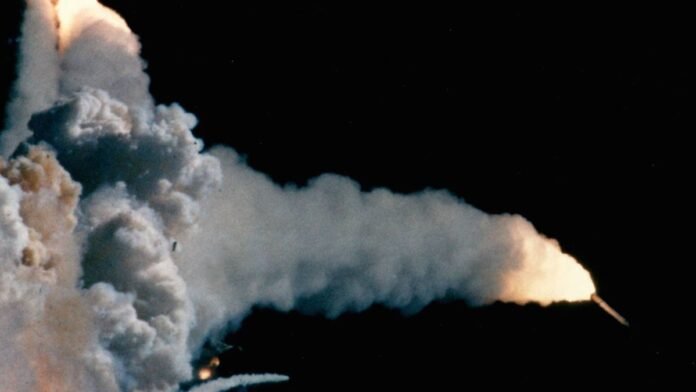
On January 28, 1986, people around the world watched eagerly as the Space Shuttle Challenger prepared for takeoff. Initially, everything seemed to be going smoothly as Commander Francis Scobee gave instructions from mission control. However, just seconds later, a distressing message from Pilot Michael Smith signaled trouble with a simple “uh oh.” Tragically, the shuttle exploded in mid-air 73 seconds after launch, claiming the lives of all seven crew members.
The catastrophic event, initially perceived as an immediate explosion, was later revealed to have been caused by a booster failure that led to a chain reaction resulting in the shuttle’s destruction. Surprisingly, the crew compartment remained intact for a short period before plummeting into the Atlantic Ocean, suggesting a harrowing sequence of events.
Investigations unveiled that some astronauts’ air packs were manually activated, hinting at the chilling possibility that they were conscious during the descent. While NASA suggested rapid loss of cabin pressure might have caused unconsciousness, uncertainties persisted regarding the crew’s final moments.
Despite the grim details, the astronauts’ bodies were eventually recovered from the ocean floor, though the specifics of their final ordeal were not publicly disclosed. This tragic chapter in space exploration serves as a poignant reminder of the risks and uncertainties inherent in human spaceflight.

