
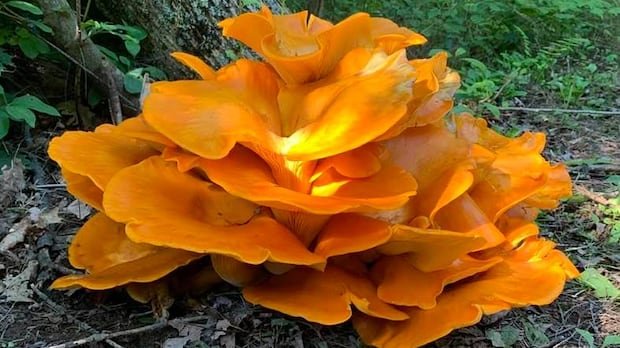
At a United Nations summit aimed at preserving global biodiversity, a team of researchers is advocating for the protection of fungi, a diverse and often overlooked kingdom of species. Fungi on Earth outweigh all animals combined and consist of approximately 5 million species, including edible mushrooms and microscopic organisms fundamental to ecosystems.
Chilean mycologist Giuliana Furci emphasizes the indispensable role of fungi in sustaining the world as we know it. Despite their significance, fungi have historically been neglected in conservation efforts focusing on plants and animals. Recognizing this gap, Furci established the Fungi Foundation in 2012, the first nonprofit organization dedicated to safeguarding fungi globally.
Recently, initiatives like Canada-based Mycosphaera and the Global Fungal Conservation Network have emerged to address the lack of fungal conservation. The coalition launched the Global Strategy for Fungal Conservation at the COP17 UN biodiversity conference in Yerevan, Armenia.
While the 2022 Kunming-Montreal Global Biodiversity Framework aims to protect 30% of the world’s land and marine areas by 2030, it does not explicitly include fungi despite their critical ecological roles. Furci stresses that fungi play a vital part in sustaining life on Earth and combating environmental crises like climate change and biodiversity loss.
Many fungi species remain unidentified and uncounted, posing challenges for their preservation. Threats to fungi, including habitat loss, climate change, and human activities like fungicides and fertilizers, mirror those facing other organisms. Recognizing and conserving fungi is crucial not only for their survival but also for the well-being of plants, animals, and humans who depend on them for various functions.
Efforts at the COP17 conference include the proposal of a fungal conservation pledge by the Fungi Foundation, signed by 15 countries to date. Greater acknowledgment of fungi within international agreements could enhance biodiversity monitoring, conservation planning, and ecosystem restoration efforts worldwide. Furci emphasizes that raising awareness about fungi’s importance in everyday life is a vital step individuals can take to contribute to fungal conservation.

