
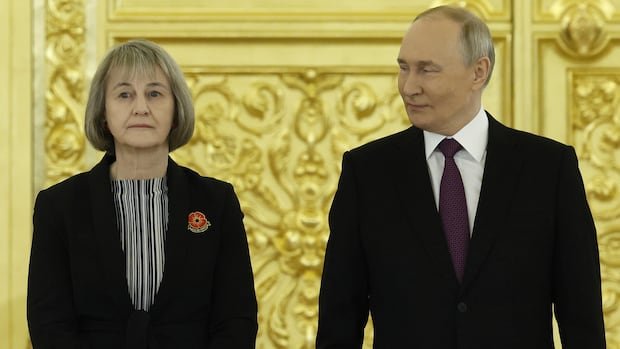
Canada’s former envoy to Russia has shared insights on countering Moscow’s “cognitive warfare” against NATO and the impact of maintaining sanctions on oil and gas to hinder Vladimir Putin’s military funding efforts.
Sarah Taylor, who recently concluded her three-year diplomatic mission in Moscow, observed a shift towards a Cold War mindset fueled by Russia’s aggression in Ukraine. While concerns within NATO revolve around a potential conventional invasion by Russia, Taylor believes the more immediate threat lies in ongoing cognitive warfare tactics that are underestimated.
She emphasized the effectiveness of Russia’s propaganda strategies, leveraging their understanding of Western systems and language skills for maximum influence. Taylor highlighted the potential of the Russian dissident community, particularly independent journalists, as a crucial element in combating cognitive warfare.
Putin’s reliance on oil and gas sales to finance the prolonged conflict in Ukraine exposes a vulnerability in Russia’s war machinery. Taylor stressed the strategic importance of maintaining sanctions on Russia, especially those impacting the energy sector, to increase financial pressure on the Kremlin.
Despite efforts by the Russian government to maintain a semblance of normalcy in major cities like Moscow and St. Petersburg, recent attacks on key infrastructures have disrupted daily life. Taylor noted a growing sense of Cold War tensions, albeit less severe than the situation in Kyiv.
While acknowledging limitations in interacting with a diverse sample of Russians, Taylor remarked on the lack of widespread enthusiasm for the war among ordinary citizens. She highlighted the suppression of dissent and activism in Russia, with a significant number of individuals facing imprisonment for opposing the conflict.
The ongoing conflict in Ukraine continues to test Russia’s resources and international standing, prompting discussions on effective strategies to counter Moscow’s aggressive tactics.

