
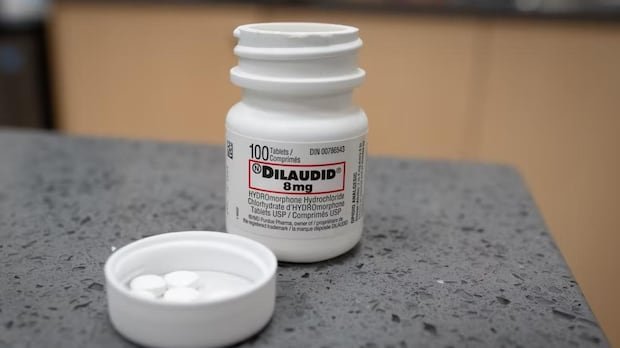
Ontario’s medical regulatory body is considering significant alterations to the prescribing of safer supply medications, as disclosed by The Canadian Press. The College of Physicians and Surgeons of Ontario is aiming to tighten regulations surrounding this practice and will convene a board of directors meeting in the upcoming week to deliberate on the proposed adjustments.
Safer supply entails prescribing medications, such as hydromorphone, as a substitute for street-obtained opioids to individuals at high risk of overdose. Hydromorphone is a potent opioid commonly used for pain relief but is notably less powerful than fentanyl and its derivatives, which are prevalent in the illicit drug market. Fentanyl, often mixed with substances like benzodiazepines and xylazine, poses serious risks due to its unpredictable composition.
Among the changes put forward by the regulator is a requirement that physicians only prescribe safer supply medications alongside opioid agonist therapy, utilizing drugs like methadone to address opioid addiction. Additionally, the proposed adjustments include imposing an eight-week limit on prescribing safer supply drugs and mandating that consumption occurs under the supervision of healthcare professionals.
Earlier revisions to the drug prescription policy in May mandated in-person assessments by physicians before prescribing narcotics for safer supply. These changes also made it compulsory for doctors to offer opioid agonist therapy before prescribing safer supply medications and conduct follow-ups every three months. The rationale behind the latest proposed modifications primarily focuses on preventing patients’ prescribed medications from being diverted to the black market.
Mickey Cirak, a spokesperson for the College of Physicians and Surgeons of Ontario, emphasized that the proposed amendments aim to enhance oversight of safer supply prescribing and bolster safeguards related to physician prescribing practices. These adjustments are in line with the college’s role as Ontario’s medical regulator.
The initiative to revise safer-supply prescription rules originated from the College of Physicians and Surgeons itself and was not instigated by the provincial government. The proposal received input from doctors specializing in addiction medicine and garnered support from Health Minister Sylvia Jones, who emphasized the government’s stance against the distribution of illegal drugs.
However, some individuals, like Lorraine Lam, an advocate for harm reduction, have expressed concern over the proposed changes. Lam highlighted the potential dangers and destabilizing effects these adjustments could have, especially on individuals who rely on safer supply for stability in their lives. She emphasized that abrupt discontinuation of safer supply could lead to individuals seeking unregulated substances on the streets, thereby increasing the risks of overdoses and fatalities.
The College’s board of directors is scheduled to convene on October 13 to vote on the proposed amendments, marking a crucial decision point in the ongoing efforts to regulate safer supply practices.

